Custom Keychains for Branded Merchandise: Materials, Packaging and Repeat-Order Control
Custom Keychains for Branded Merchandise: Materials, Packaging and Repeat-Order Control
Introduction
Custom keychains are small enough to be an impulse purchase and detailed enough to expose a weak production brief. Retail buyers commonly need a design that looks recognisable from a display hook, survives normal handling, fits a defined package and can be reordered without the colour, hardware or card layout drifting. Those are supply-chain decisions as much as creative decisions.
This guide is for museum shops, tourism retailers, event organisers, distributors and brand teams. It explains how to choose PVC, metal, acrylic or embroidered construction, set a packaging standard, approve a sample and keep a repeat order consistent. It deliberately avoids promising one universal MOQ, lead time or performance figure: these depend on artwork, construction, quantity, packing and delivery destination.
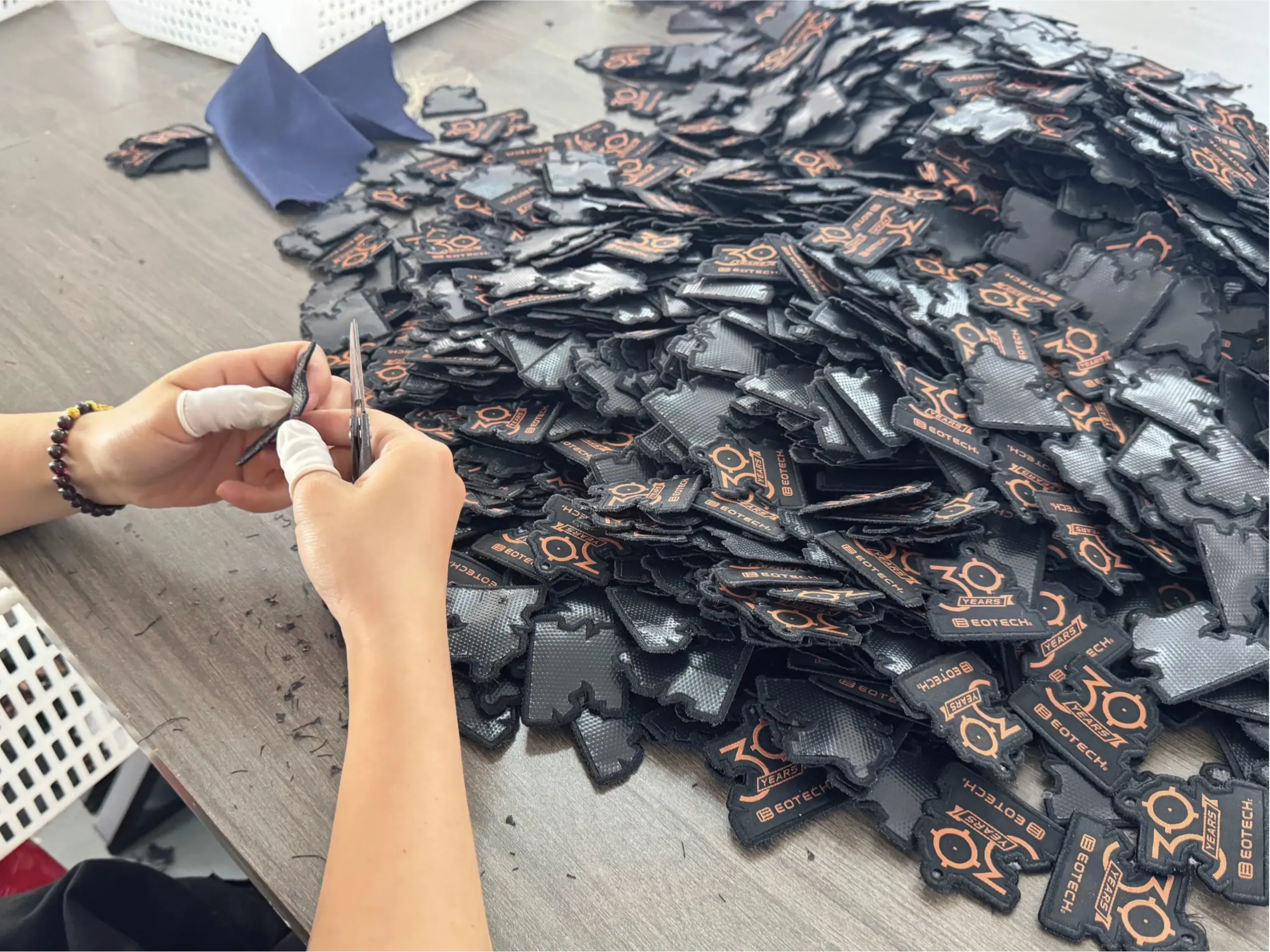
Factory quality control in progress Quick answer: what makes a keychain suitable for branded merchandise?
A retail-ready keychain has three aligned parts: a product construction that suits the artwork, an attachment that works in the customer’s hand, and packaging that protects and presents the item. The buying brief should describe all three. The most consistent repeat orders use an approved artwork revision, a retained physical or photographic reference, named hardware and a defined card or bag format.
1. Match material to the brand expression and retail context
PVC keychains
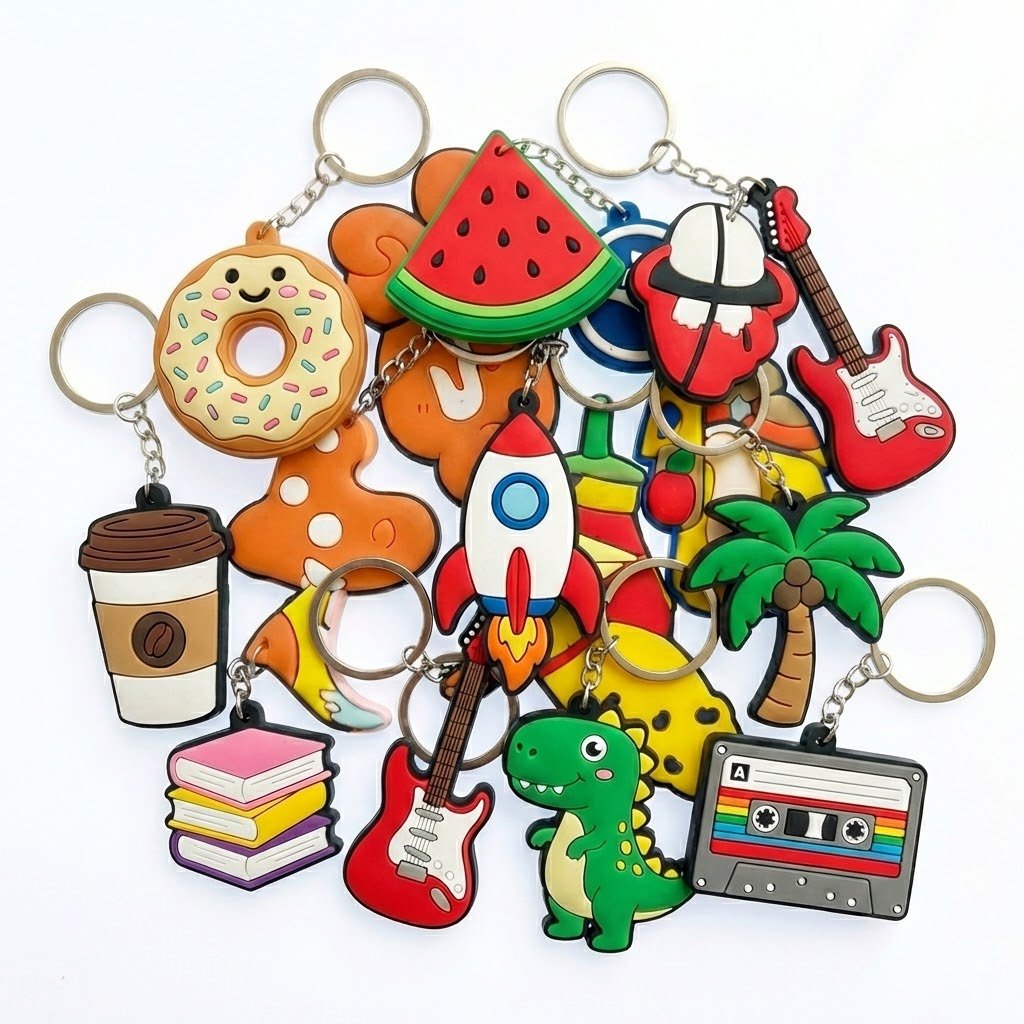
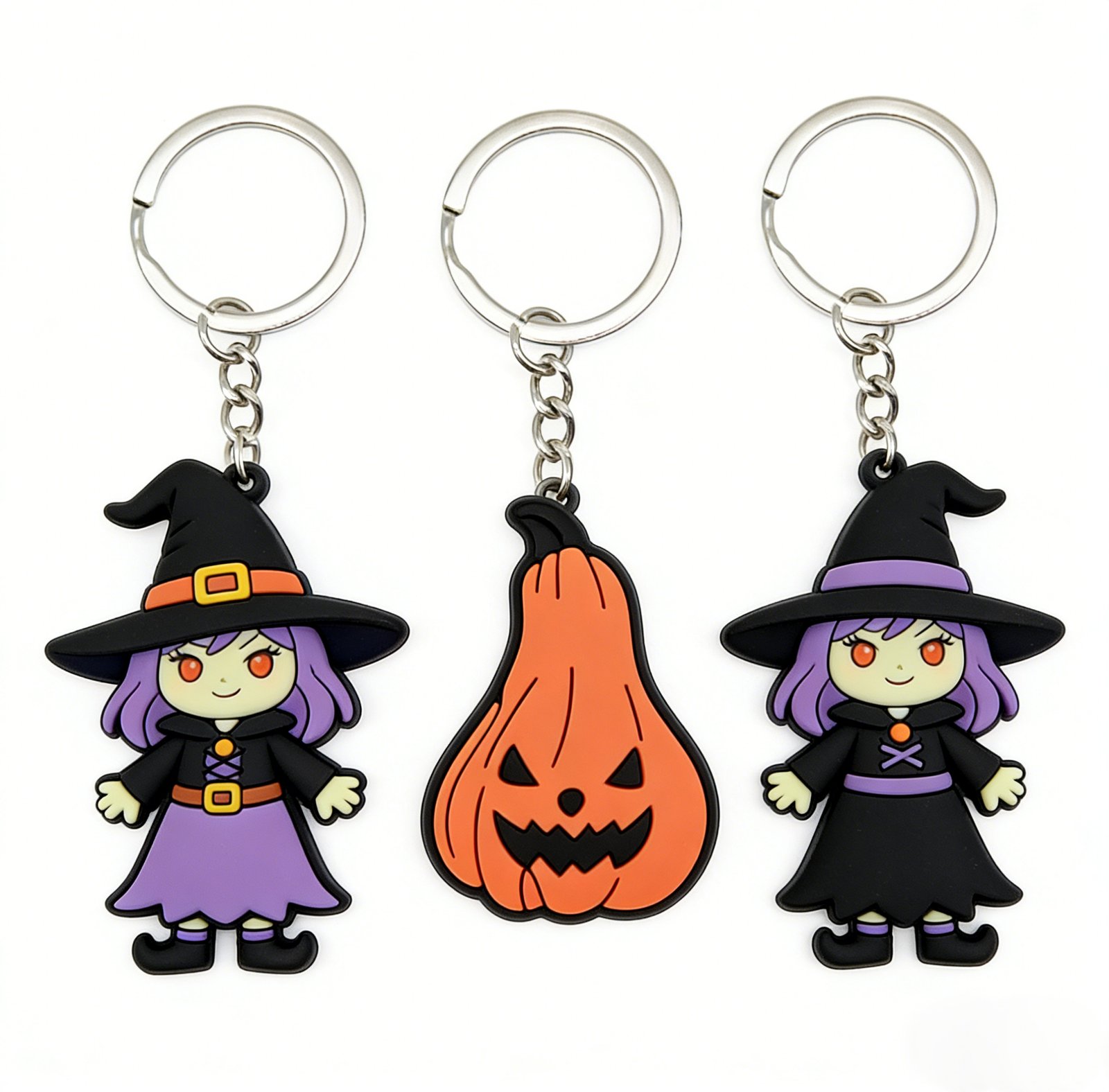
Soft PVC is often selected for bold shapes, mascots, colour blocks and a dimensional moulded surface. It can be specified in 2D layers or more rounded 3D modelling. It is useful for tourism, character merchandise, events and youthful brand programmes where an illustrated silhouette needs to remain clear at a compact size.
During artwork review, check the smallest gap, text size, colour separation, raised levels and attachment point. Simplifying a fine line before tooling is usually less costly than correcting it after sample approval. For a product displayed on a card, also confirm its overall thickness and how the ring or clasp sits when packed.
Collection of custom soft PVC keychains for branded merchandise Metal keychains
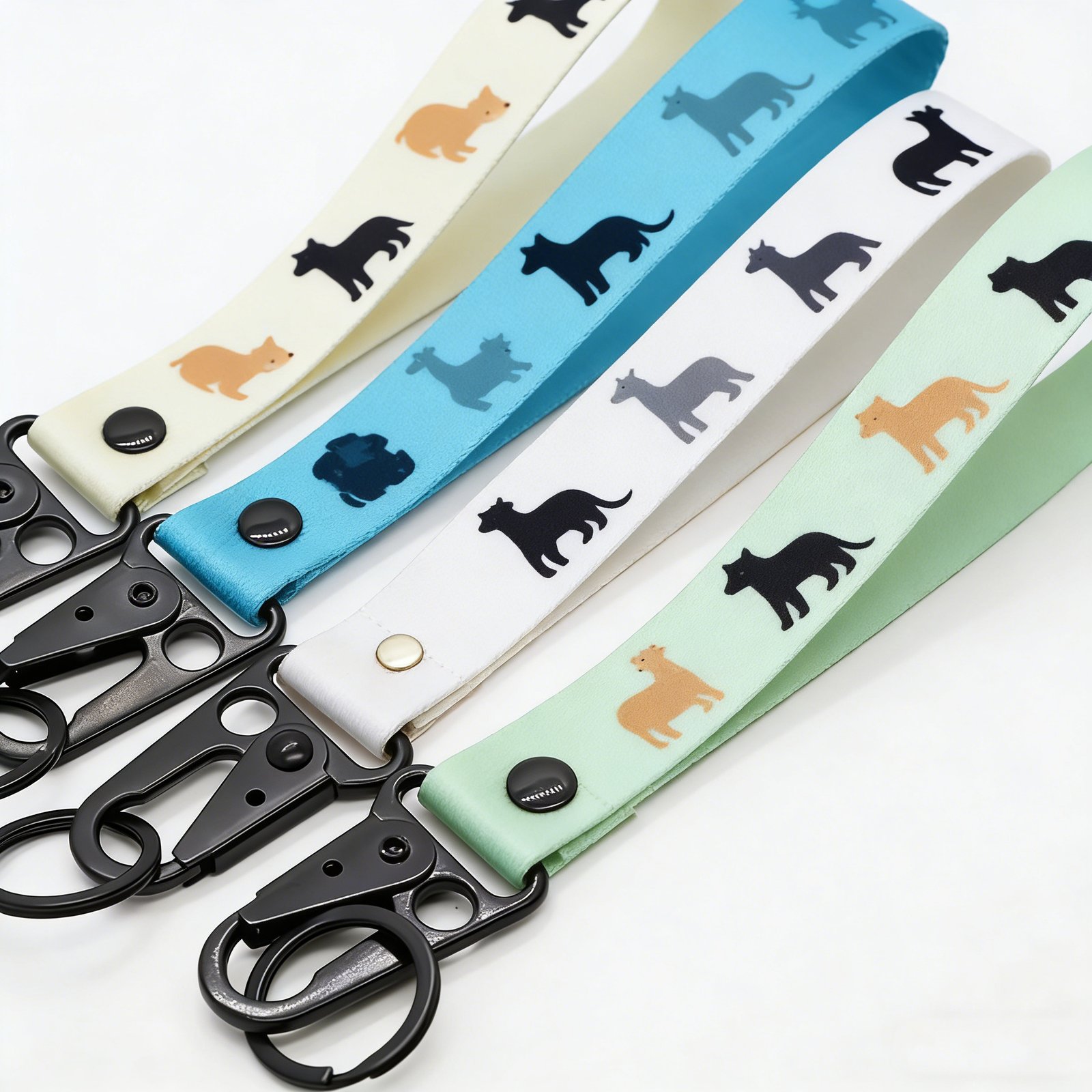
Metal may suit a premium, commemorative or architectural look. Buyers can discuss shape, plating, enamel-style colour fill, printed detail, relief and hardware. The production proof should clarify which lines are raised, where colour is applied and how the ring, chain or clasp is connected. A polished metal close-up may look different under retail lighting, so include a practical photo review in the approval process.
Acrylic keychains
Acrylic is a useful option for colourful printed artwork, transparent elements and layered effects. The specification should state print sides, white-ink treatment where relevant, protective film, edge finish, accessory and packing. If a product will be carried loose with keys, choose packing that helps protect the printed surface during transit and shelf handling.
Embroidered keychains
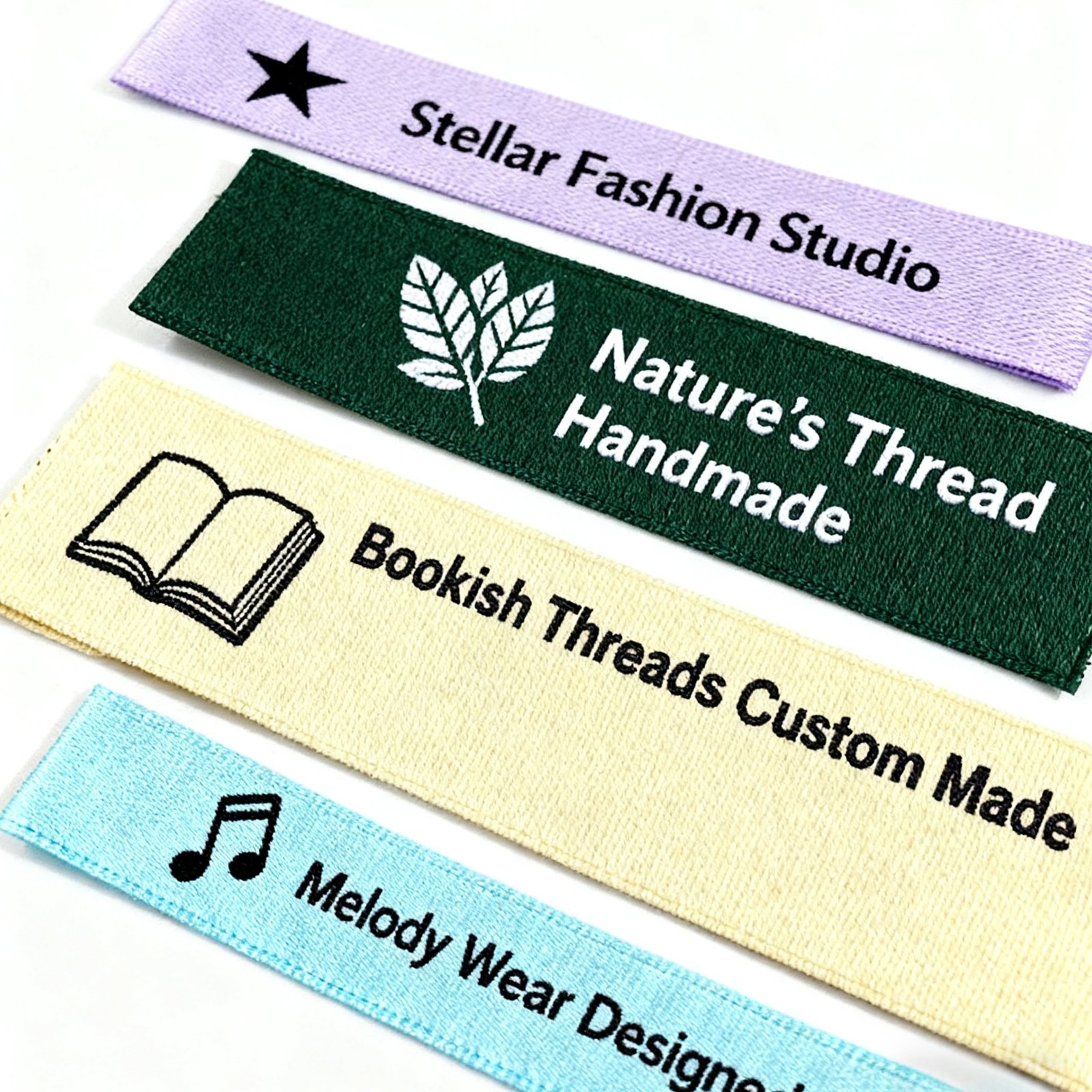
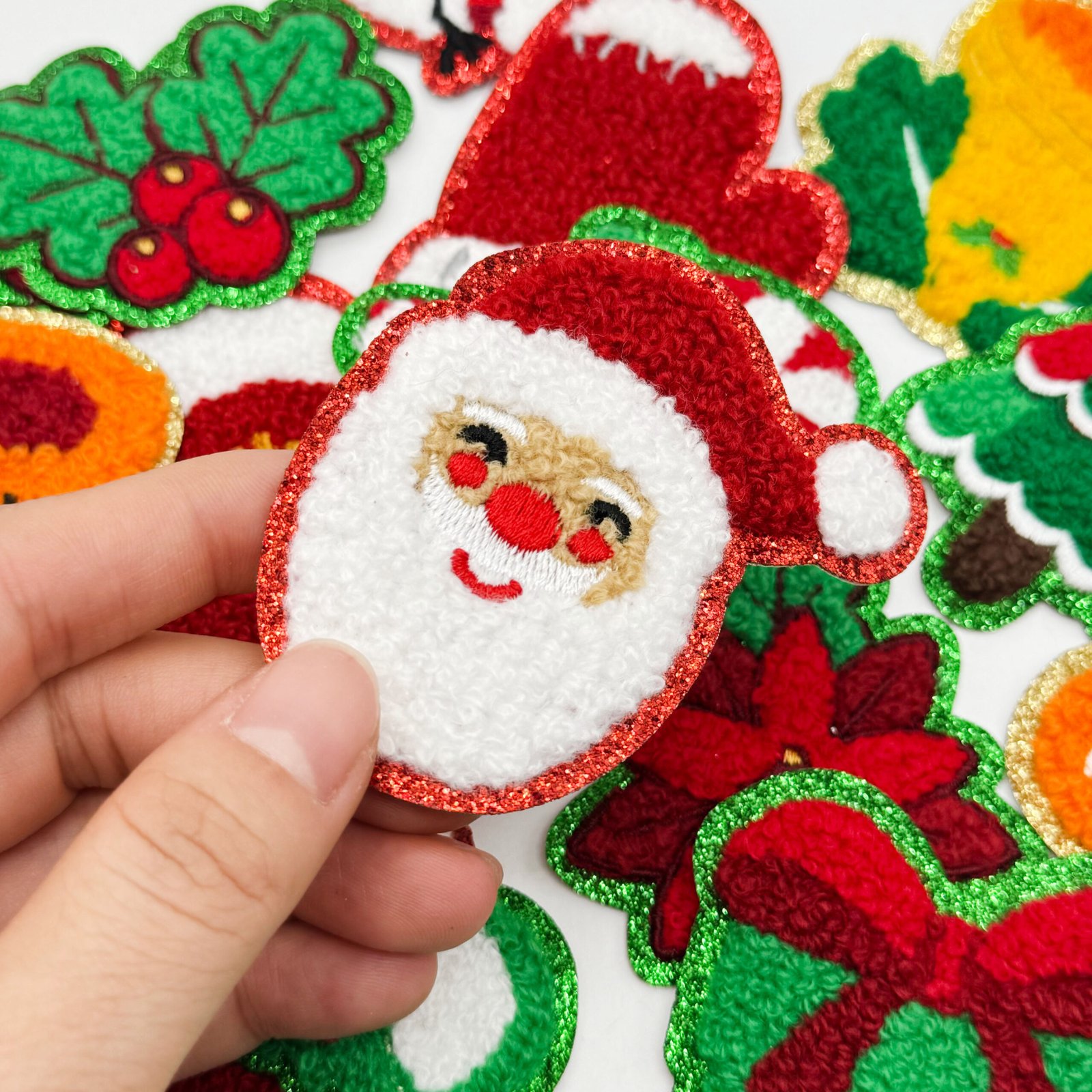
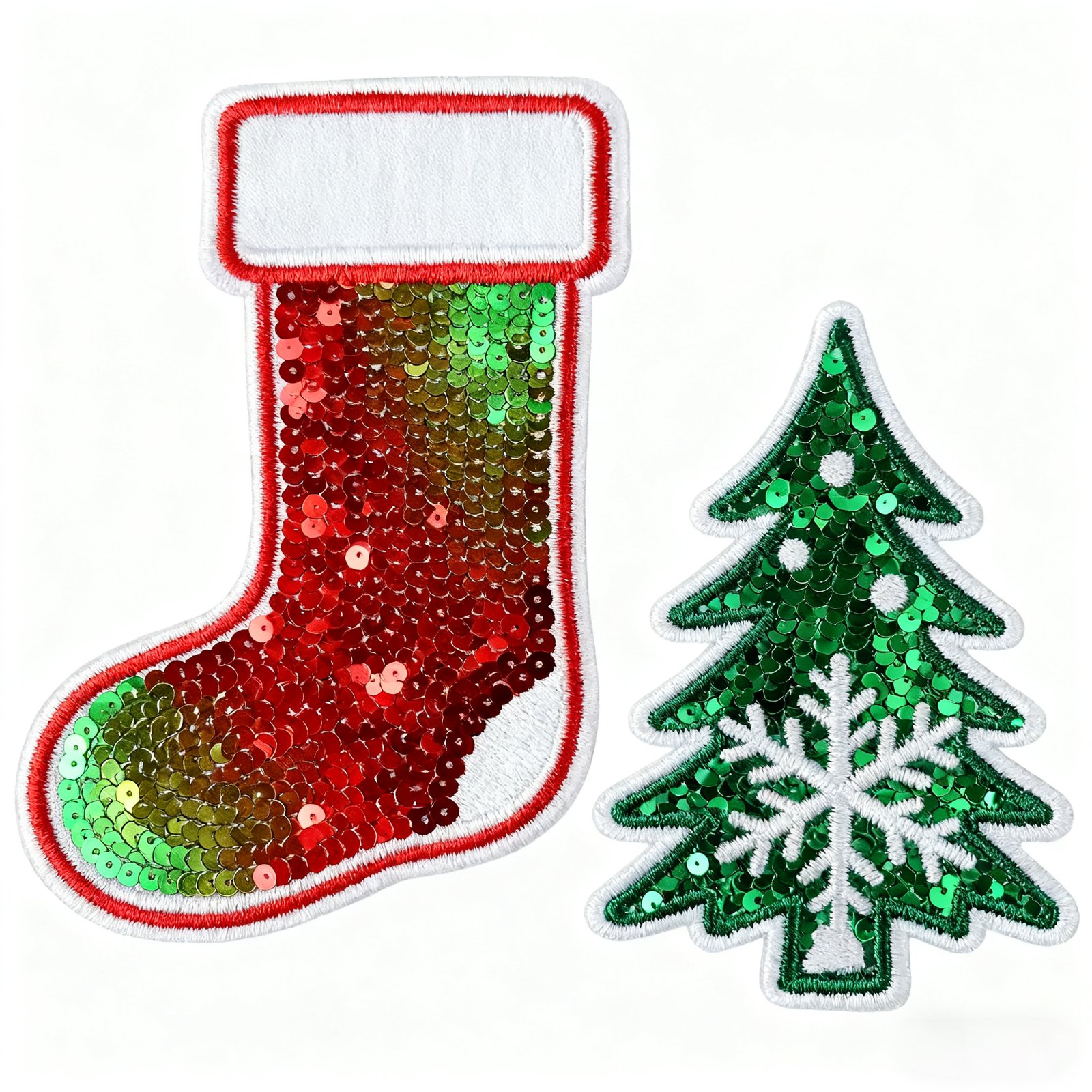
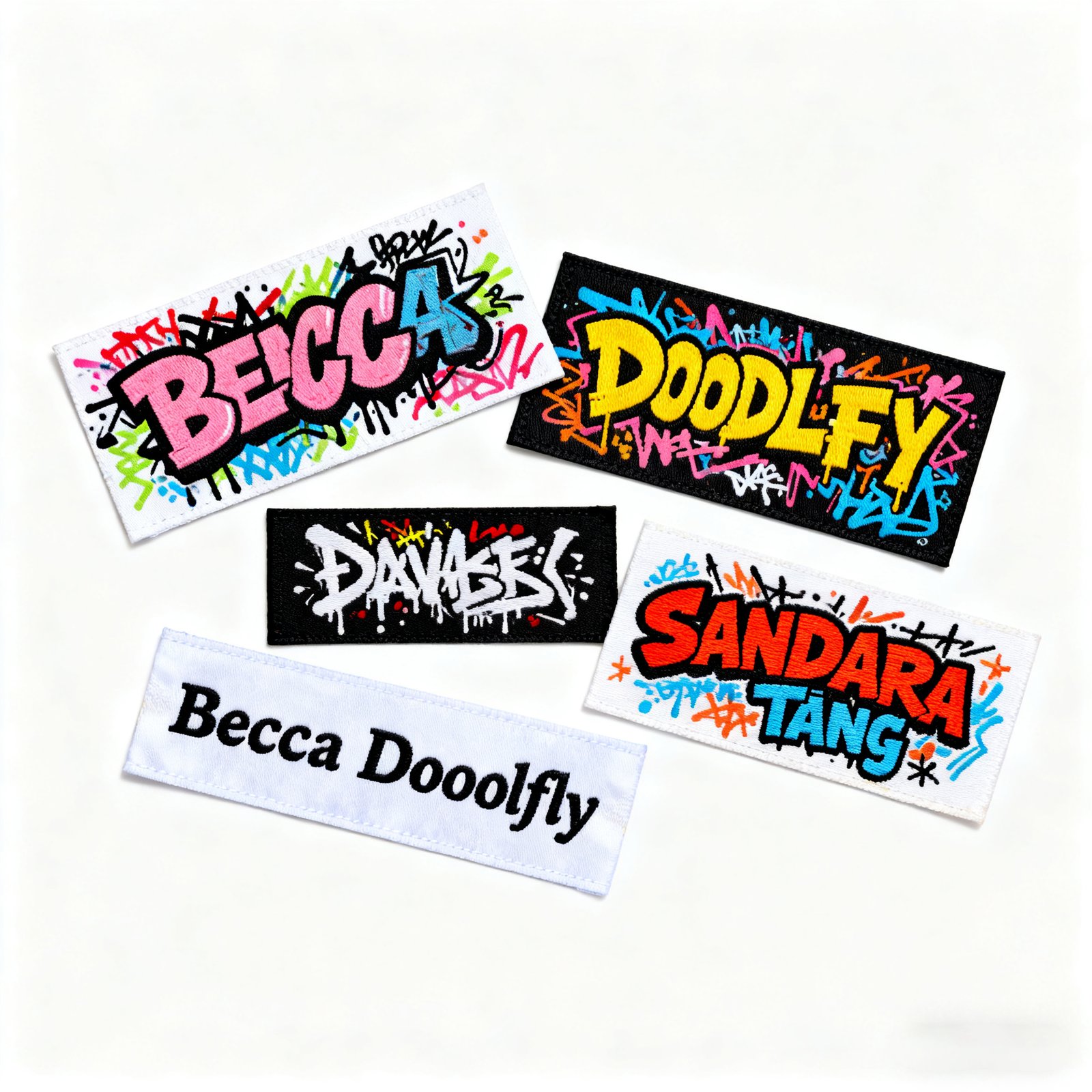
Embroidered keychains add textile texture and can work well for clubs, apparel brands and souvenir programmes. Key considerations are readable stitching, base fabric, border, attachment, double-sided layout and whether the product needs a thicker filled feel. Very small type should be reviewed at final size.
2. Build a retail specification, not only a product description
For each SKU, prepare a one-page reference that includes:
product name and internal SKU;
final artwork and revision date;
width, height and any critical thickness;
material and selected finish;
attachment: split ring, chain, lobster clasp or other approved hardware;
individual packing and display format;
barcode, warning, country-of-origin or retailer label requirements supplied by the buyer;
order quantity and delivery destination.
This sheet makes it easier to quote accurately and prevents a small but important retail detail from being lost between the designer, buyer, factory and packer.
Custom metal keychain with polished finish and ring attachment 3. Treat packaging as part of the product experience
Packaging has four jobs: protect the product, communicate the brand, fit the retail fixture and make packing/counting efficient. A simple polybag might be suitable for bulk event giveaways; a printed backing card can be more appropriate for a museum shop; a paper sleeve or gift box may better suit a premium commemorative item.
Send the card artwork, dieline, hole position and product orientation with the order. If the keychain hangs from a peg, test the final packed product on a similar hook. If the retailer has a required barcode position or warning label, provide it before printing. In shipment inspection, check a selection of finished retail packs—not only loose products.
Mid-article CTA — Plan Your Retail Keychain Range
Send the artwork, target retail format, quantity and delivery country. Get a quote that includes the product, hardware and packing scope.
4. Approve a sample with the customer journey in mind
A useful sample review includes more than the front face. Hold the keychain, check the ring or clasp, view it at display distance, place it in its final package and compare it to the artwork. For multi-design collections, lay all SKUs together to see whether colour and scale feel consistent.
In factory first-piece review, agree on the details that cannot drift: pantone-like colour reference if provided, product dimensions, hardware finish, backing-card version and packing orientation. Keep photos of those approved details with the order file. This gives both the buyer and factory a repeatable reference.
5. Control repeat orders without slowing them down
Repeat orders should be faster because they reuse an approved specification, not because they skip review. Before placing a replenishment order, confirm:
Is the same artwork revision being used?
Are material, hardware and packing unchanged?
Is the buyer ordering the same SKU mix and carton quantity?
Has the destination market changed its labelling or packing requirement?
Is a new sample or pre-shipment photo review needed because of a material or process change?
For seasonal tourism merchandise, an annual date or logo update can be managed as a new artwork revision while keeping the product construction stable. For licensed programmes, record which reference artwork was approved by the rights holder; do not assume a previous production authorises a new design.
5A. Plan a range, not isolated designs
Many retail programmes begin with one attractive design and then grow into a collection. Planning the range early helps buyers avoid a display that feels inconsistent. Decide which elements should stay constant across SKUs: card size, hanging hole, ring finish, product size band, price-point category and carton packing method. Then allow the artwork, colourway or local landmark to vary inside that system.
For example, a tourism range may use a common 50–60 mm visual footprint and the same backing card while allowing each destination icon to have its own PVC shape. A sports event range may retain the same metal hardware and package while changing the year, discipline or participant colour. A brand collaboration may use a shared clasp and card but choose PVC for a mascot, acrylic for an illustrated artwork and embroidery for an apparel-adjacent SKU. The point is not to standardise every item; it is to standardise the parts that simplify replenishment and display.
Before confirming a multi-SKU order, lay out the artwork files at final size and review them as a group. Check whether small type is equally readable, whether colours are distinguishable from a few feet away and whether one SKU is likely to sit awkwardly in the shared packaging. This small step can reduce later requests to change card holes, product orientation or assortment ratios.
5B. Hand off requirements clearly between buyer, designer and factory
Retail keychain orders commonly involve several people: a designer owns the artwork, a buyer owns the commercial decision, a packaging team owns the card, a factory owns production and a warehouse receives the cartons. A concise handoff sheet prevents each party from making a reasonable but different assumption.
Include a thumbnail of the final product in its final pack, the SKU code, the art revision, material, hardware, exact packing orientation, barcoding responsibility and destination. If a retailer needs artwork approval before goods ship, state the approval point and timing in the production plan. When shipments are inspected, photograph the loose product, finished pack and carton mark so the receiving team can match what arrives to what was approved.
This approach also supports trustworthy marketing claims. A retailer can describe the product according to the agreed construction rather than making a vague durability or material statement that was never validated. Clear specifications protect the buyer, the factory and ultimately the end customer.
Custom embroidered keychain with stitched logo detail 6. Inspect the shipment as a retail order
Pre-shipment inspection should cover product appearance, attachment, count and packaging. Check that PVC colour areas are clean, metal finishes are consistent, acrylic print is protected as specified and embroidered details are legible. Then review the packed unit: correct card, correct orientation, readable retail information and no obvious crushed or scratched pack.
For an assortment, compare the carton packing list with the SKU count. It is common for a shipment to be visually good but commercially wrong because one design was packed in the wrong ratio. Photos of packed units and carton marks are especially useful when the receiving team is separate from the buyer.
FAQ
Which keychain material is best for tourist souvenirs?
There is no single best material. PVC often suits colourful icons and mascots; metal may suit commemorative designs; acrylic can support printed illustration; embroidery adds a textile feel. Choose based on the artwork, target price point, packaging and retailer preference.
What should be on a custom keychain backing card?
Typically the buyer supplies the brand design, product name, required retail information, barcode placement and hanging-hole requirement. Confirm card size, paper stock, orientation and whether the keychain must be secured in a particular position.
How do I keep repeat keychain orders consistent?
Store the approved artwork, product dimensions, material, hardware, packing layout and reference photos. Ask the supplier to confirm any change before production starts, even on a repeat SKU.
Follow our product and factory updates
See recent product ideas and workshop updates on Facebook , YouTube , Instagram and TikTok .
Conclusion and CTA
Strong keychain merchandise is planned as a complete retail unit: the logo, material, attachment and package all need to work together. Start with a quote-ready specification, test the sample in its real display format and retain the approved reference for replenishment orders. Send your artwork, SKU count, retail packaging idea, quantity and destination to request a tailored keychain quotation.