Introduction
When buyers ask which material is best for a custom promotional product, the useful answer is not simply PVC, metal, acrylic or embroidery. Each process changes how a design is seen, handled, packed and remembered. The right material depends on the message, the application, the recipient and the distribution model. A flat illustrated character, a premium corporate logo, a detailed retail design and a uniform identifier can all call for very different constructions.
Custom product detail prepared for review. This guide compares four common material families used for promotional products: soft PVC, metal, acrylic and embroidery. It is written for importers, marketing teams, event organisers and retail buyers who need a practical route from concept to a quote-ready specification. The aim is to make the choice transparent, not to promote one material for every project.
Start with the job the product must do
Define whether the item is a giveaway, a retail product, an award, a uniform element, a reusable event accessory or a branded keepsake. Next, identify how it will be handled. Will it touch clothing, hang from keys, be attached to a bag, sit on a desk, be displayed at retail or handed out in volume? These questions narrow the material options before the discussion turns to surface effects.
A useful brief also distinguishes essential brand elements from desirable extras. The essential elements may be a distinctive silhouette, a readable name, a logo colour or a premium tactile impression. Preferred extras may include an antique finish, transparent effect, raised texture or presentation card. This hierarchy helps the factory explain what can be achieved at the intended size and which detail may need adjustment.
Soft PVC for colour, relief and flexible shapes
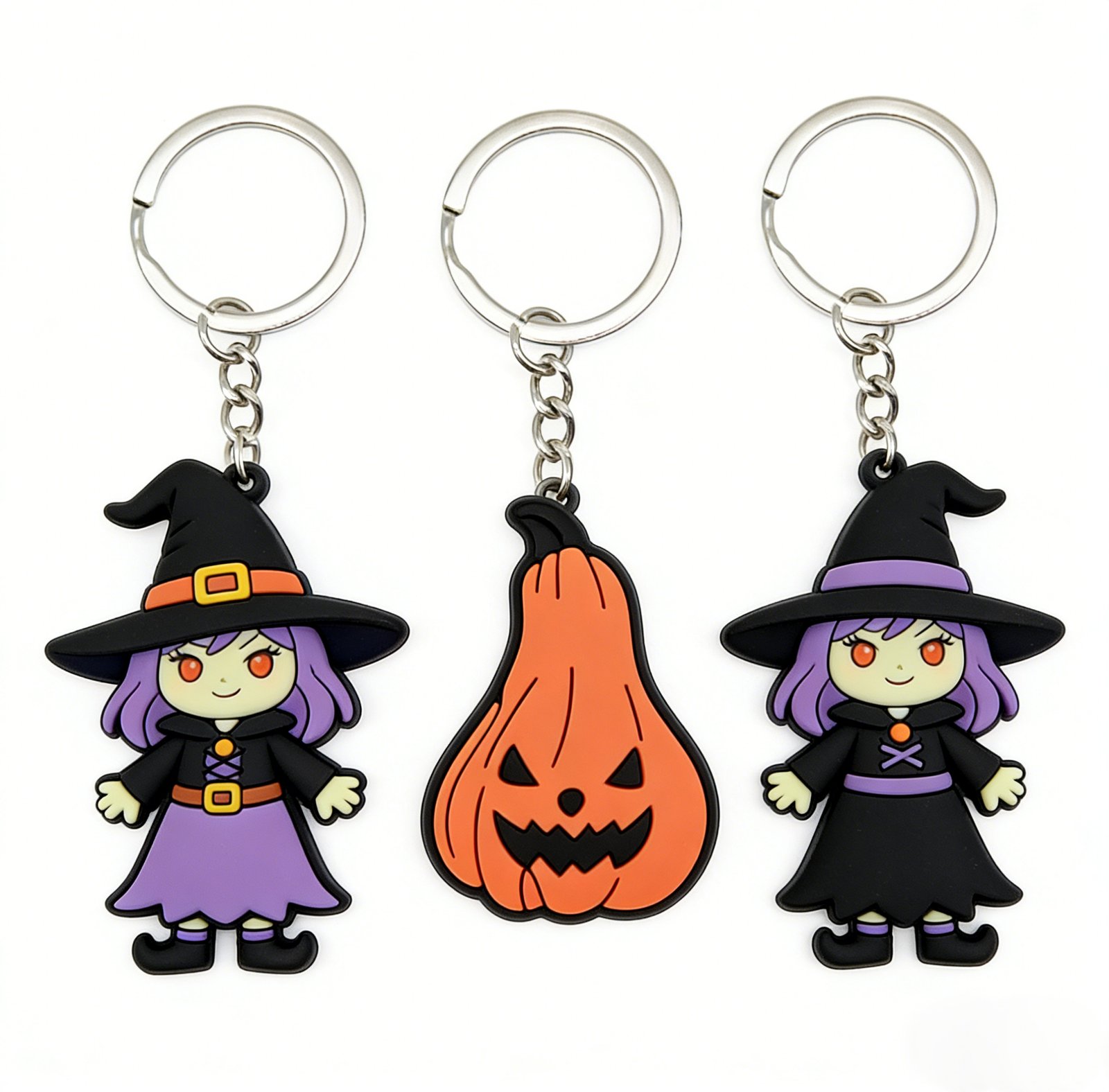
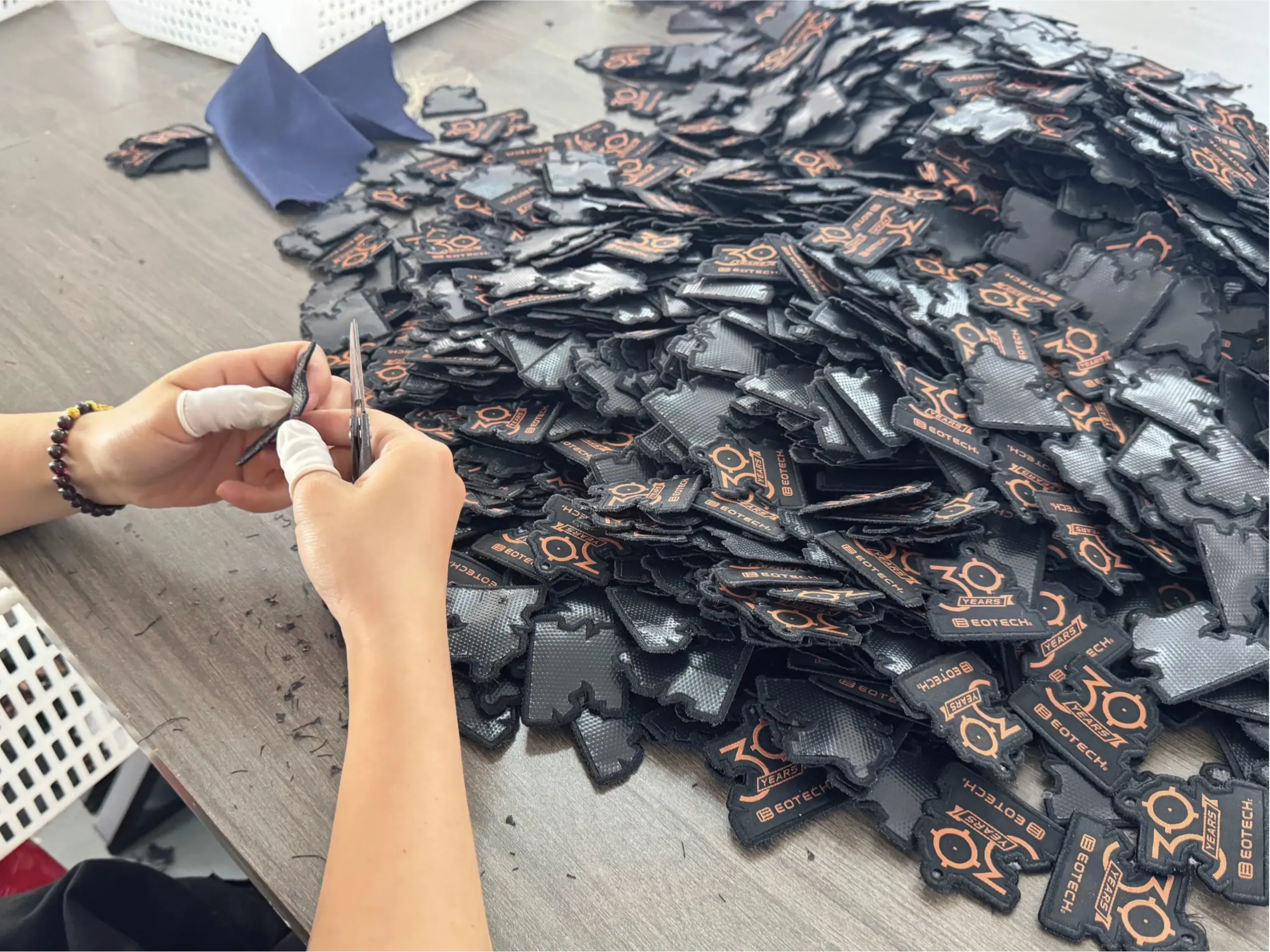
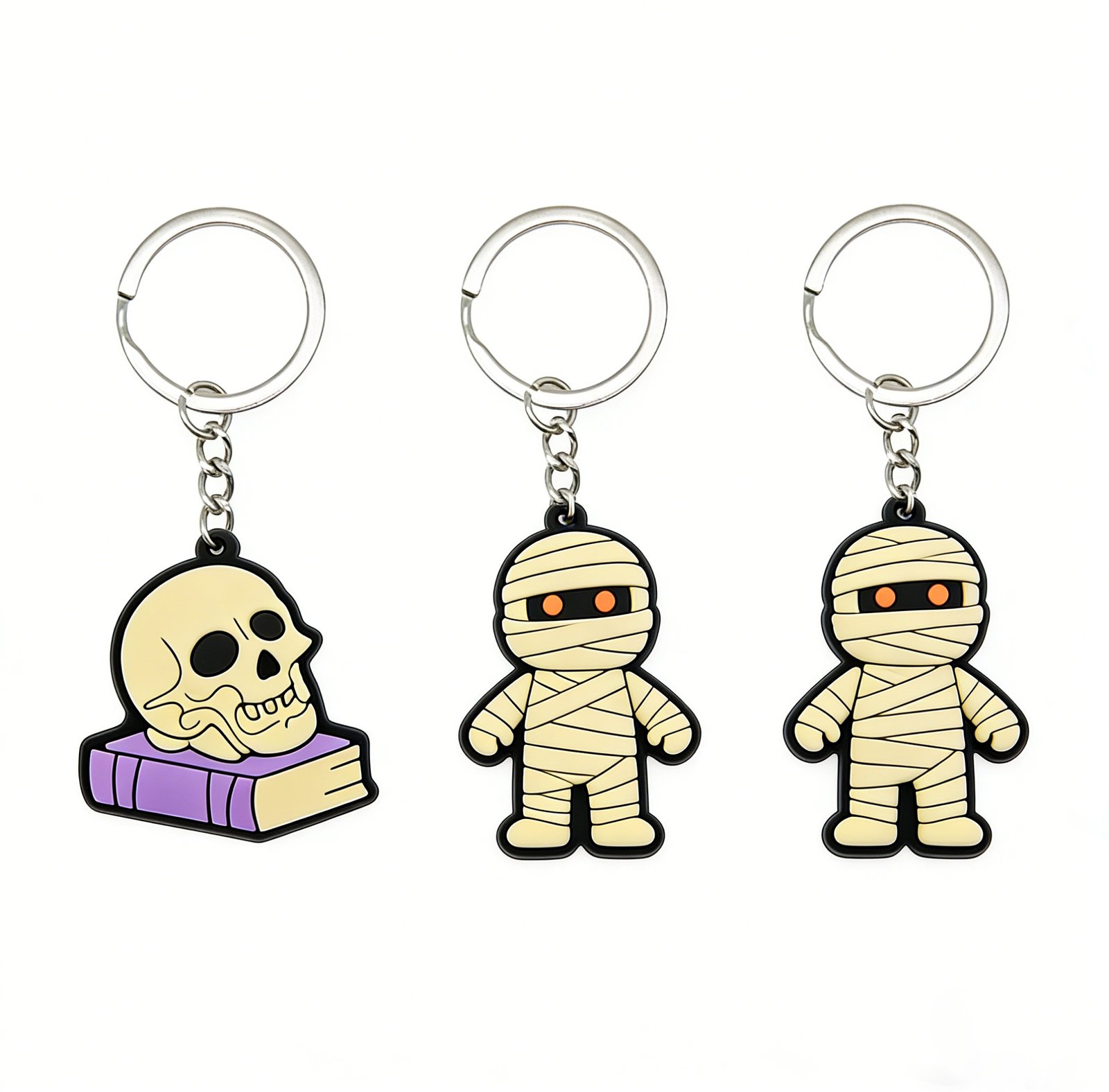
Soft PVC is often chosen where a design benefits from bold colour blocks, a moulded outline or a tactile 2D or 3D effect. It is especially suitable for character-led promotions, outdoor branding, playful merchandise, patches, keychains, fridge magnets and medals. Raised and recessed areas give the design a clear visual hierarchy, but very fine type or extremely narrow gaps should be reviewed at the finished dimensions.
For a buyer, the key choices are overall thickness, relief level, colour separation, edge profile and how the item attaches or displays. A PVC keychain needs a suitable ring or hardware position; a PVC patch needs a backing appropriate for the fabric or gear; a PVC medal needs a ribbon slot that matches the event requirement. The same artwork can require a different mould layout in each application.
Metal for weight, contrast and premium recognition
Metal is a strong option when a project needs a sense of permanence, a refined finish or clearly defined relief. It is widely used for keychains, medals, commemorative coins, bottle openers and refrigerator magnets. Buyers can compare bright, matte or antique-looking finishes; enamel areas can add colour contrast where the design needs it. The material also works well for simple logo forms, line art, dates and recognition designs.
The decision is not only visual. Metal products need clear instructions for plating, relief depth, edge profile and hardware. A metal medal with a wide ribbon and a custom coin with edge text may share a metal process, but their approval points are different. Review front and back artwork together with the finish because contrast changes how the recessed and raised details read in normal light.
Acrylic for artwork-led merchandise and clean print detail
Acrylic is useful when the main value is printed artwork, colour variation or a transparent and lightweight appearance. It can suit artist merchandise, event retail, illustrations and multi-design collections. Print direction, the need for white ink, single- or double-sided artwork, protective film and edge finishing should all be made explicit in the proof. A custom acrylic keychain can reproduce a detailed graphic, but the buyer should still check small text at its actual physical size.
Acrylic does not replace metal or PVC; it answers a different requirement. It is often most effective when artwork and colour are the main recognition tools, rather than texture or material weight. Consider the likely packaging and handling: individually protected pieces may be sensible for retail or mailer kits, while bulk distribution may need a more compact packing arrangement.
Embroidery for textile texture and uniform connection
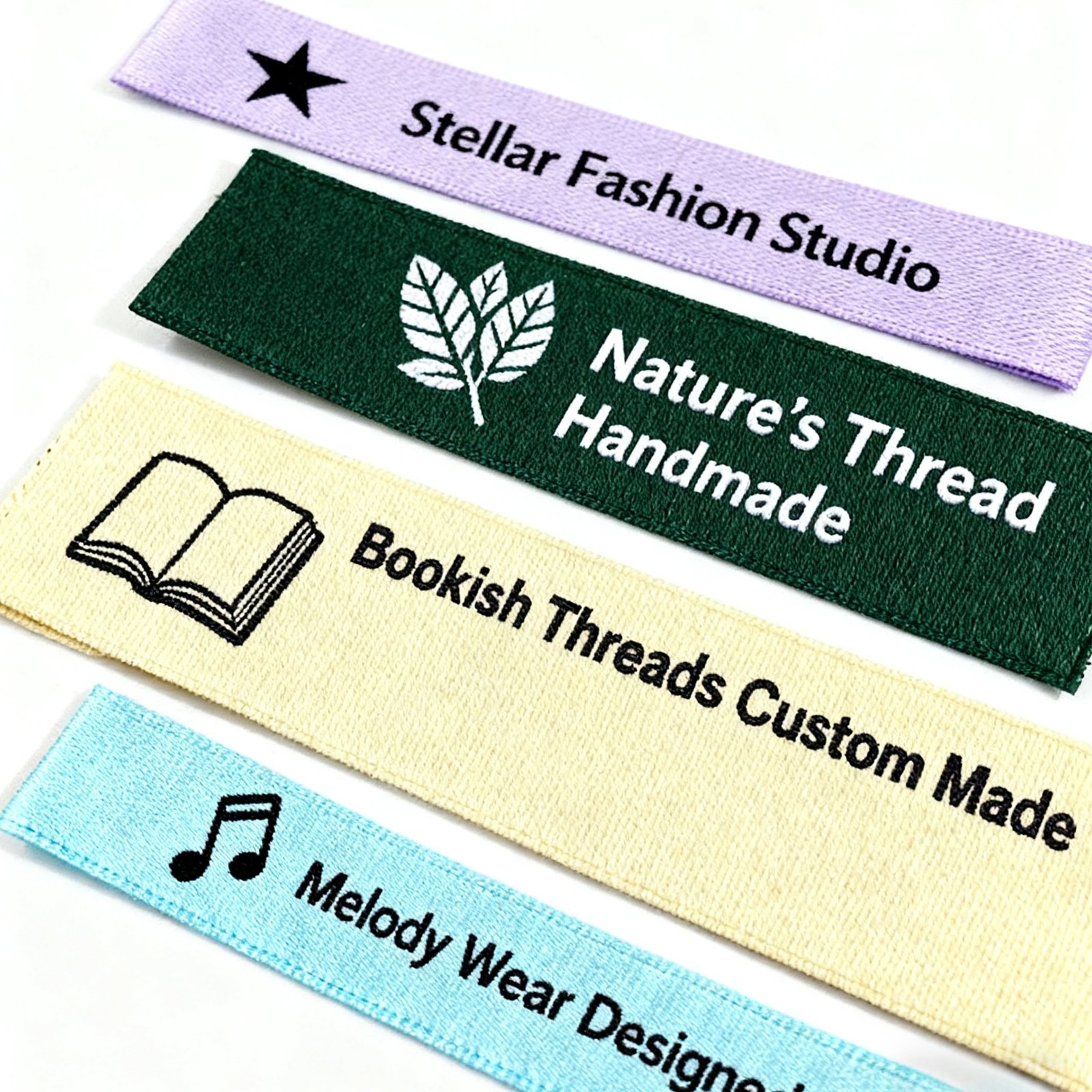
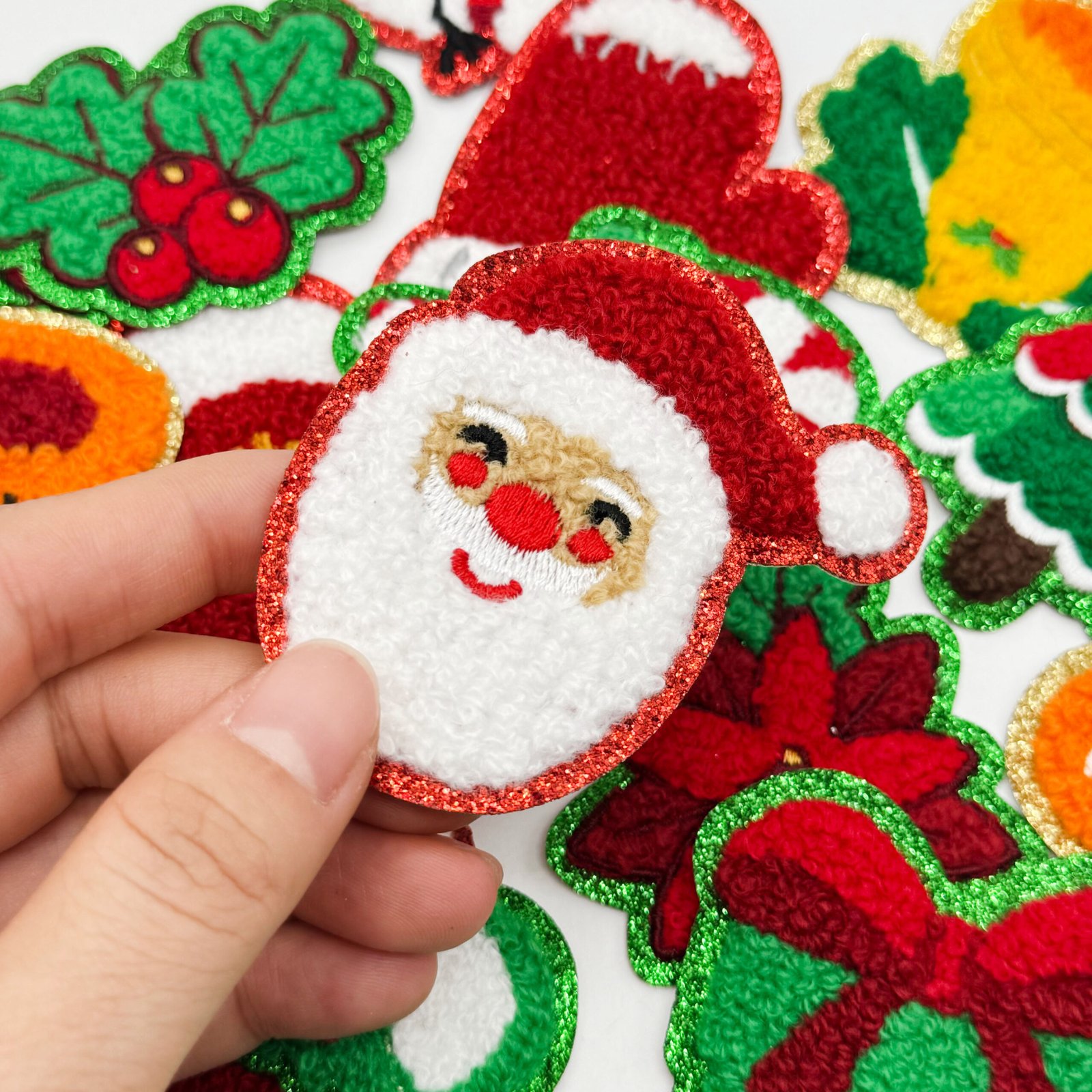
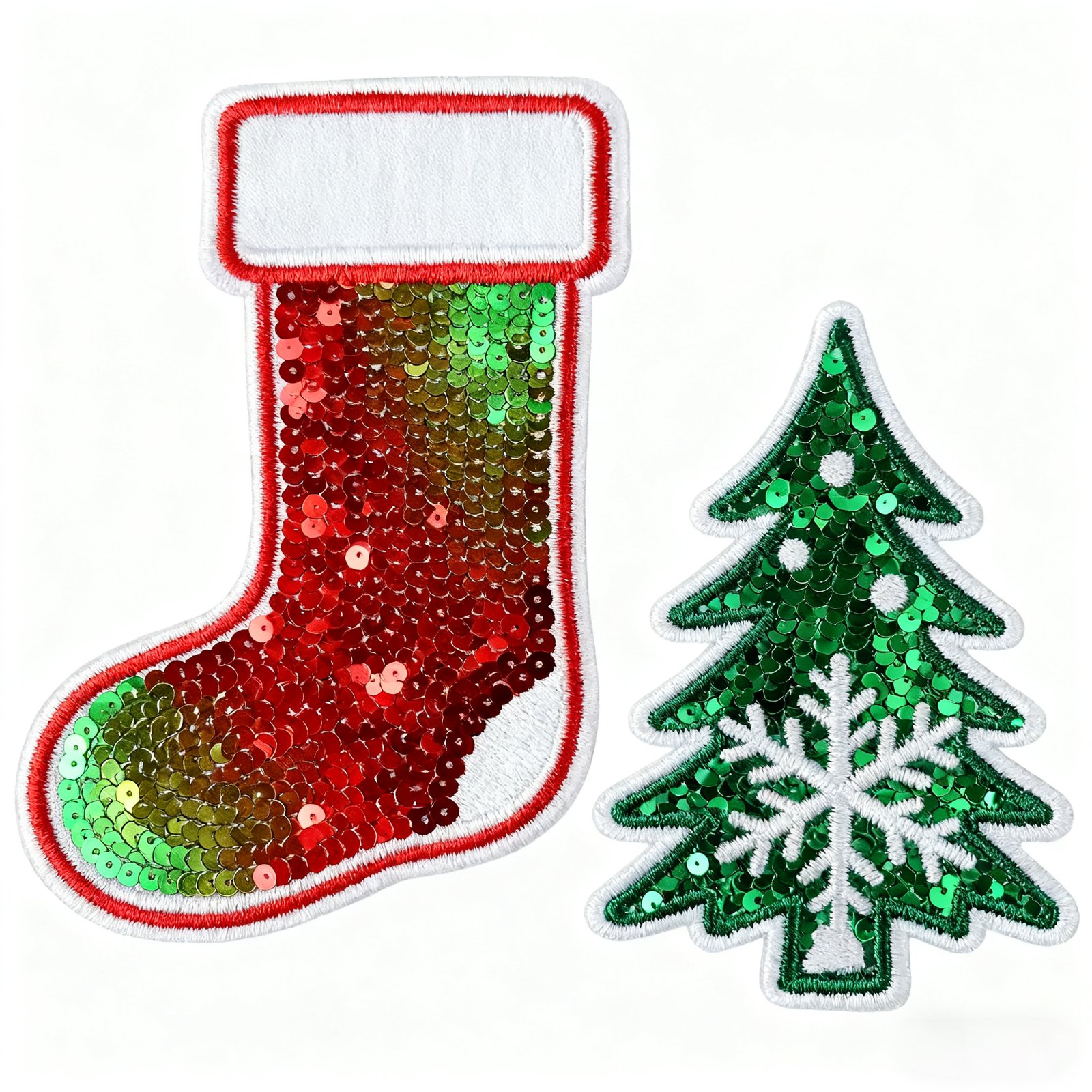
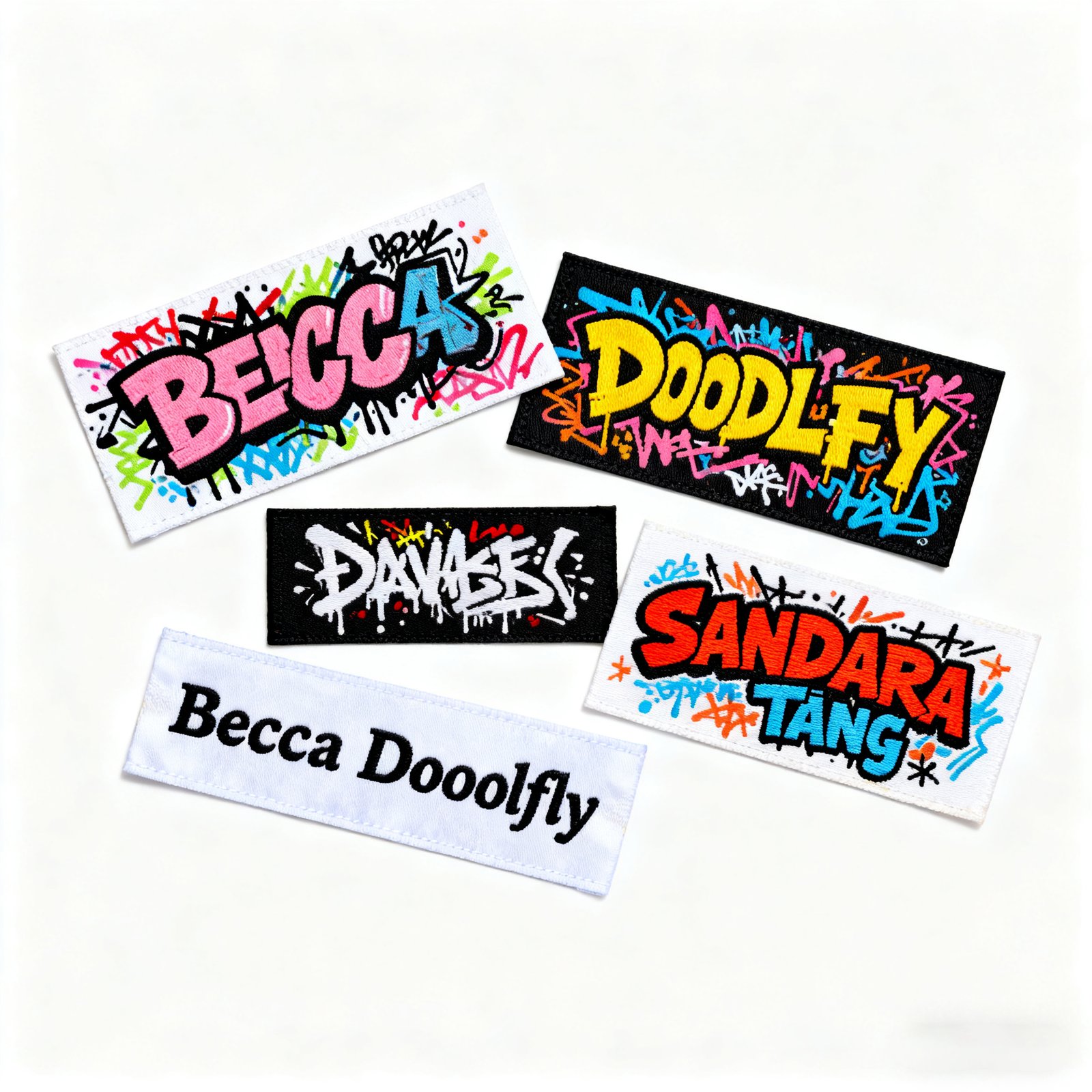
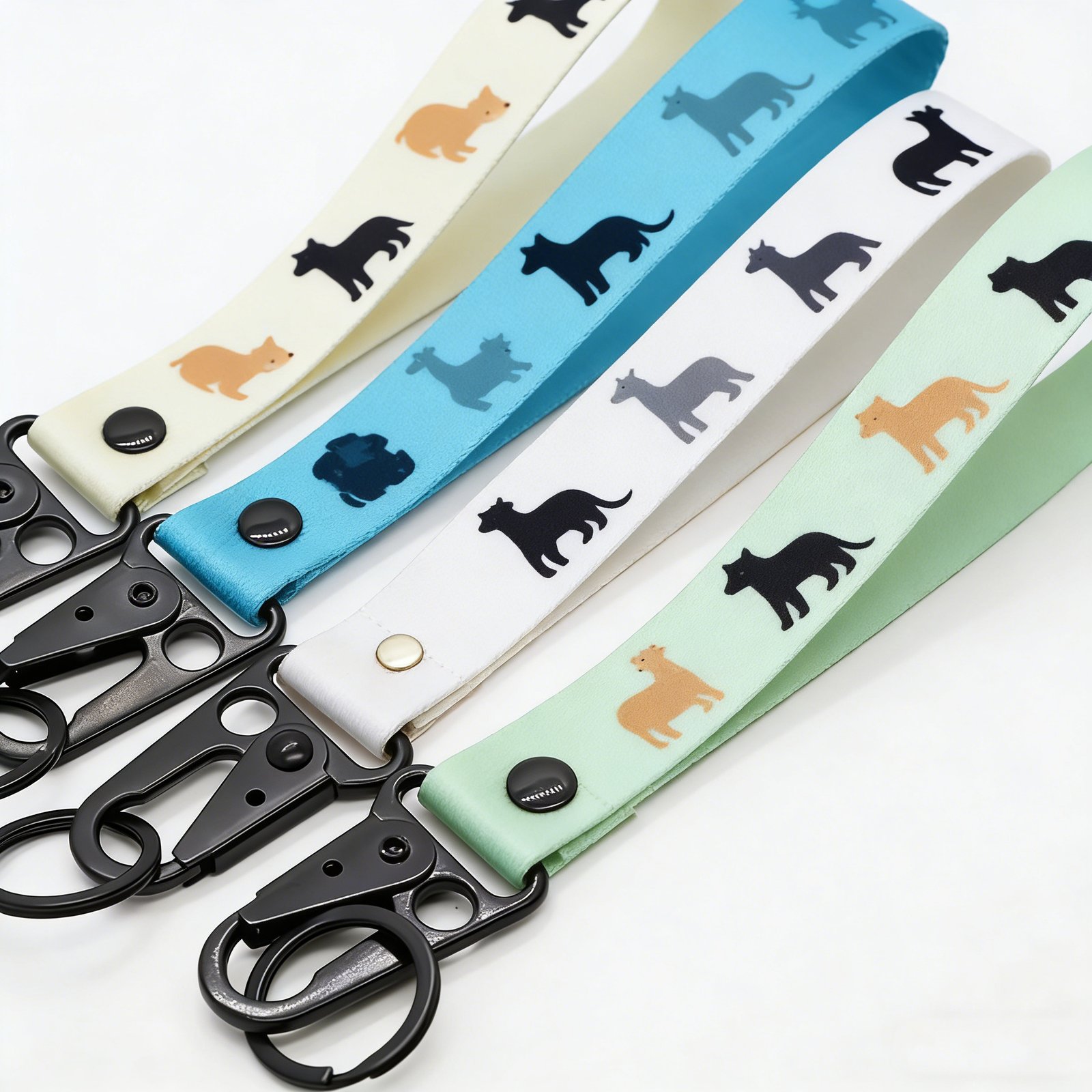
Embroidery brings a stitched, textile character that works naturally with garments, bags, caps and club or uniform programmes. It can be used in embroidered patches , woven labels, chenille applications and embroidered keychains. The buyer should focus on finished dimensions, stitch coverage, border type, backing and installation method. Small typography should be reviewed through a sew-out or physical sample because thread has a different visual resolution from print or moulded material.
For apparel-linked projects, comfort and installation matter as much as appearance. Decide whether the item is sewn, heat-applied, attached with hook-and-loop or used as a hangtag-style keychain. A woven label patch may preserve fine type better than embroidery at a very small size, while chenille may be better where pile texture and varsity styling are the purpose.
Send Your Requirements
Share your artwork, use case, quantity and target date. We can help compare PVC, metal, acrylic and embroidery options against your project requirements.
A practical material comparison framework
Do not compare materials only by unit price. Compare them by what the recipient will experience and what the order must accomplish. Use four questions: Does the material make the design recognisable? Does it suit the handling or application? Does it support the expected retail or giveaway presentation? Can the specification be inspected clearly before shipment?
For a multi-SKU campaign, it can be sensible to use more than one material. A metal medal may recognise an achievement, an embroidered patch may extend the programme onto apparel, and a PVC keychain may provide a colourful lower-cost giveaway. The unifying elements are then the artwork system, the colour references, packaging and a clear handover plan, not necessarily a single material.
Turn the plan into a quote ready sourcing brief
Once the product direction is clear, assemble the information a factory needs to quote without guessing. Begin with a short project statement: who will receive the items, what action or memory the products should support, how they will be distributed and when they are required at destination. Then add a quantity table that separates designs, colourways, ticket or sponsor tiers, retail versus giveaway stock, and any replacement allowance. This is more useful than a single total because production, packing and shipment inspection follow SKU-level quantities.
For each item, list finished dimensions, artwork files, visible sides, target colours, material preference if known, attachment or backing, and individual packing. Where the decision is open, describe the intended result rather than inventing a technical answer. For example, “a durable badge for staff uniforms” gives the supplier a real application to assess; it is better than asking for a vague “best quality” material. Ask the supplier to identify any change that the finished size or construction requires, particularly around small text, narrow lines, logo placement or colour matching.
Make approvals easy to audit
Use a numbered proof for each SKU and keep feedback in one approval record. Confirm dimensions, spelling, dates, orientation, colours, hardware, backing, ribbon or webbing, and packing labels. When several internal teams review the programme, distinguish “approved,” “approved with changes” and “still under review.” A final proof should not leave room for a design team to assume one version while the factory produces another.
For multi-product orders, compare quotations using the same fields: material, finished size, decoration, components, packing, sample scope, production scope and freight or Incoterm scope. A lower quote may omit a feature or packing step that another quote includes. The goal is not simply to negotiate a lower number; it is to select the supplier and specification that accurately represent the project.
Quality control, approval and delivery preparation
A complete brief gives the factory a repeatable target. Keep the approved artwork proof, any colour references, construction notes, packing layout and sample feedback together. During factory testing, check the features that matter to the recipient: visual consistency, dimensions, attachment security where relevant, surface condition and packing count. If an independent shipment inspection is planned, share these references before the visit rather than relying on a general instruction to “check quality.”
The same approach helps delivery planning. Agree whether goods are packed by design, destination, team, SKU or event session. State label language, carton markings and the receiving point. For a launch or event, work backwards from the required arrival date and allow time for proof approval, a sample where needed, production, inspection and transport. A realistic schedule is a better safeguard than a last-minute request for an unsupported delivery promise.
FAQ
Product detail from Heyang Craft. Should a buyer select the product before asking for a quotation?
Not necessarily. The most productive inquiry describes the audience, programme, quantity, budget context, deadline and intended use. A supplier can then recommend a focused set of options and explain the production differences.
How many designs should be included in one order?
Use the number that supports the programme without making sorting, approvals and packing unmanageable. Keep a clear quantity breakdown for each design, colourway and package. Mixed assortments should be specified before production begins.
When is a physical sample worthwhile?
It is particularly useful for a new construction, a new brand programme, premium retail packing, complex artwork or a project where multiple stakeholders must approve the result. Treat the approved sample as a reference for bulk inspection.
What should be checked before shipment?
Check finished goods against the approved proof and sample: visible detail, dimensions, assembly, packaging, counts and carton marks. Agree any market-specific or application-specific testing requirements in advance.
Conclusion
The right promotional product programme comes from matching a clear objective to a production-ready specification. Use the application to narrow materials and formats, preserve the design features that matter, and document approvals before bulk production. This approach makes quotations comparable, protects delivery planning and gives the recipient a product that feels considered rather than generic.
Send Your Requirements
Contact Heyang Craft with your artwork, quantity, destination and programme objective. We can help turn your idea into a clear product and packing brief.
Follow Heyang Craft: Facebook · YouTube · Instagram · TikTok