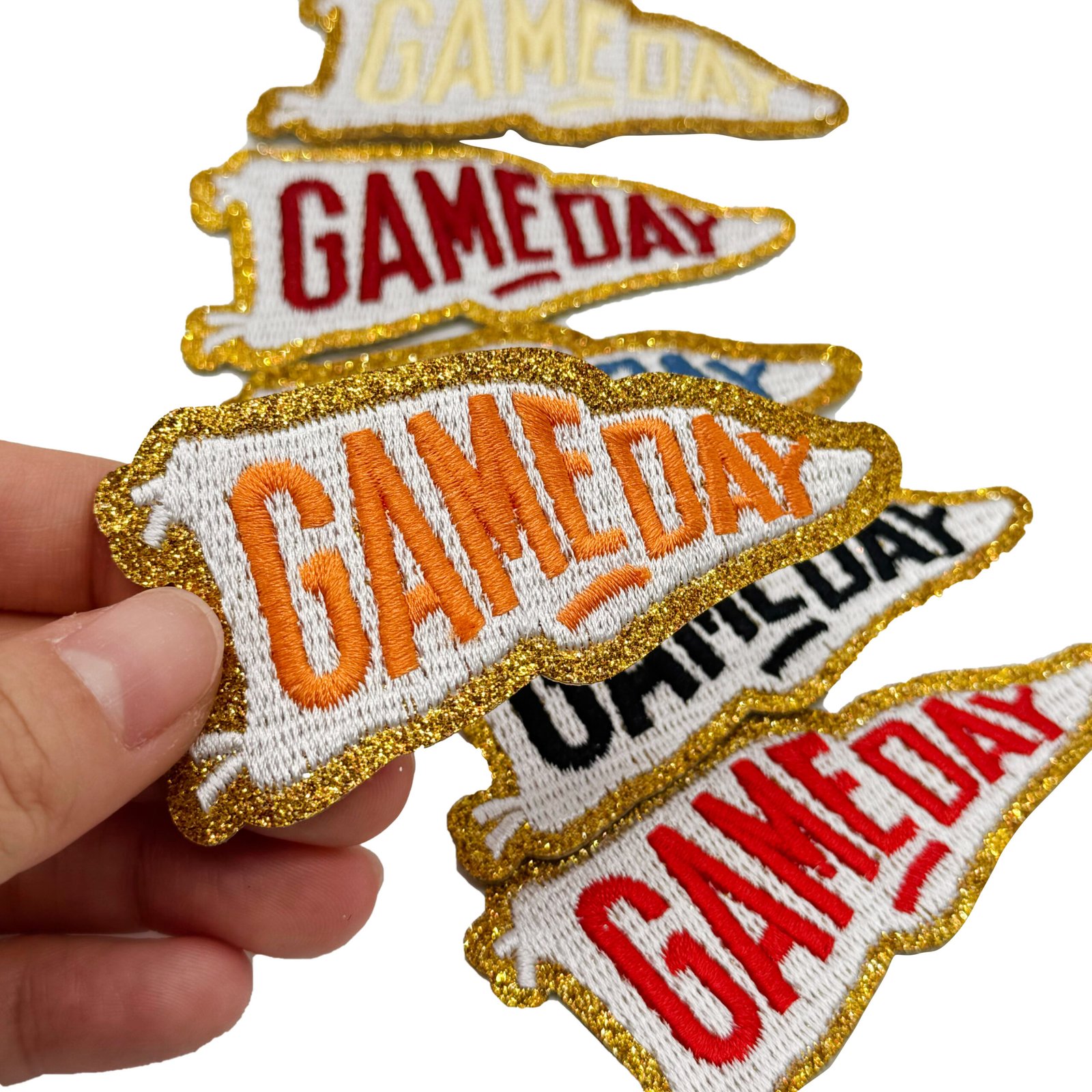
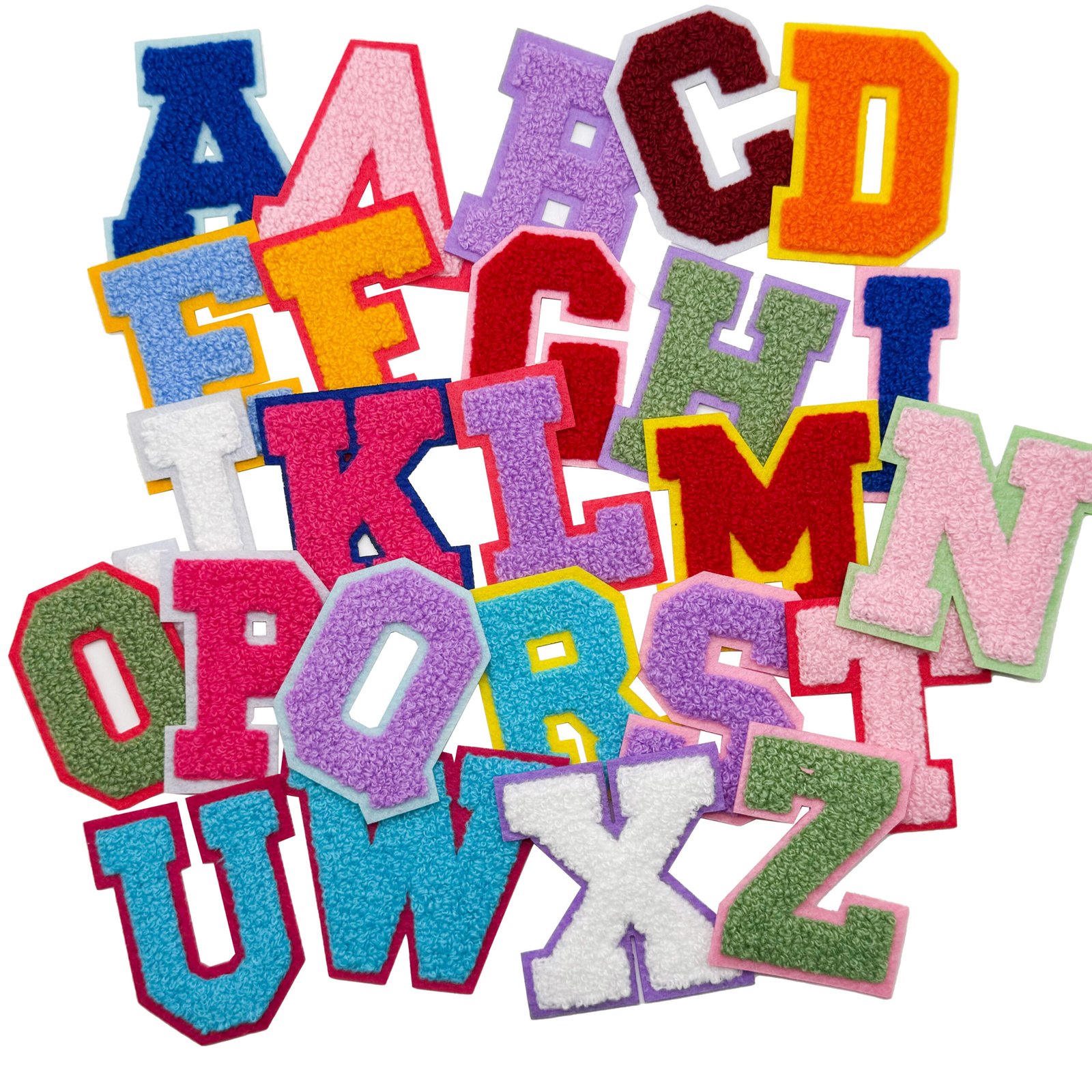
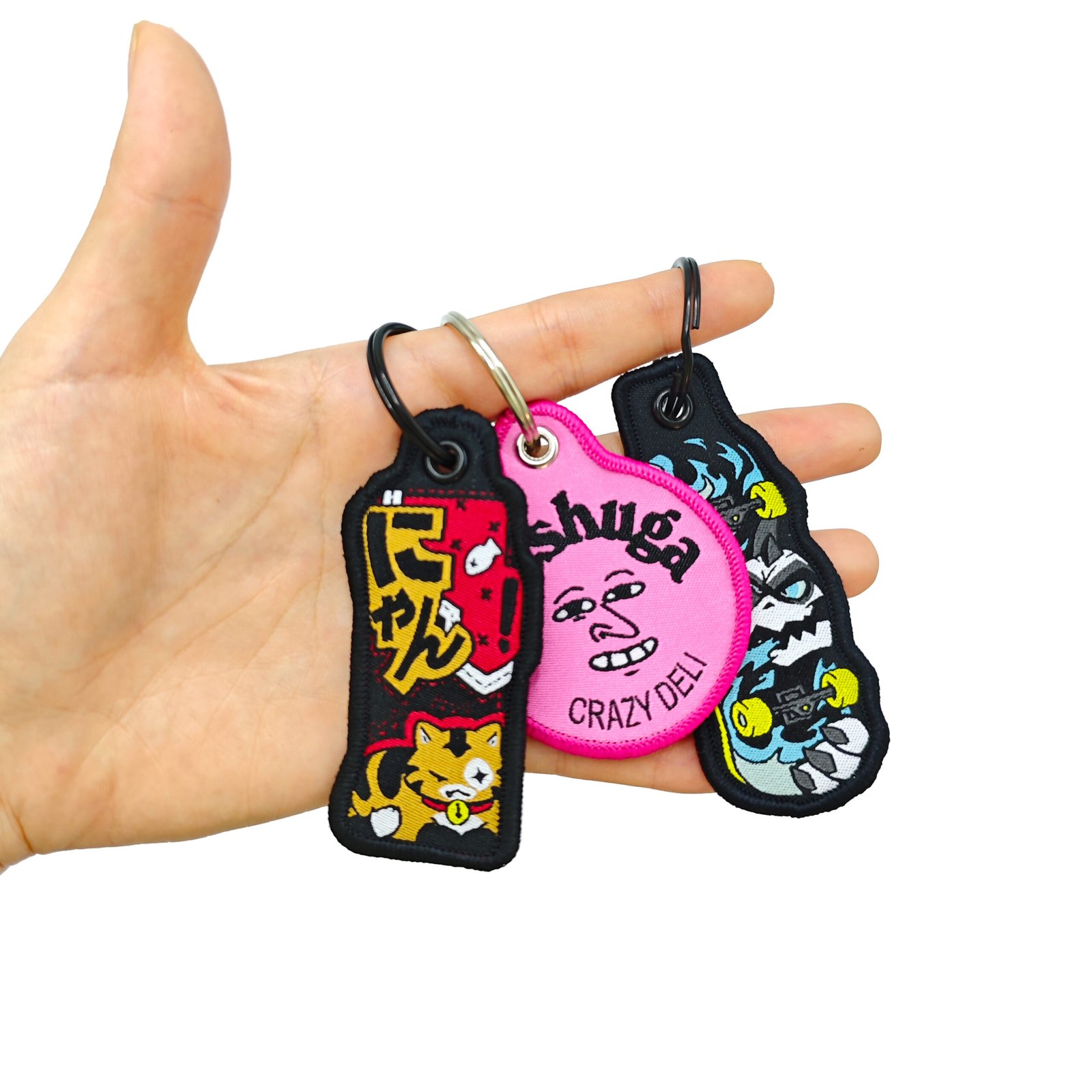
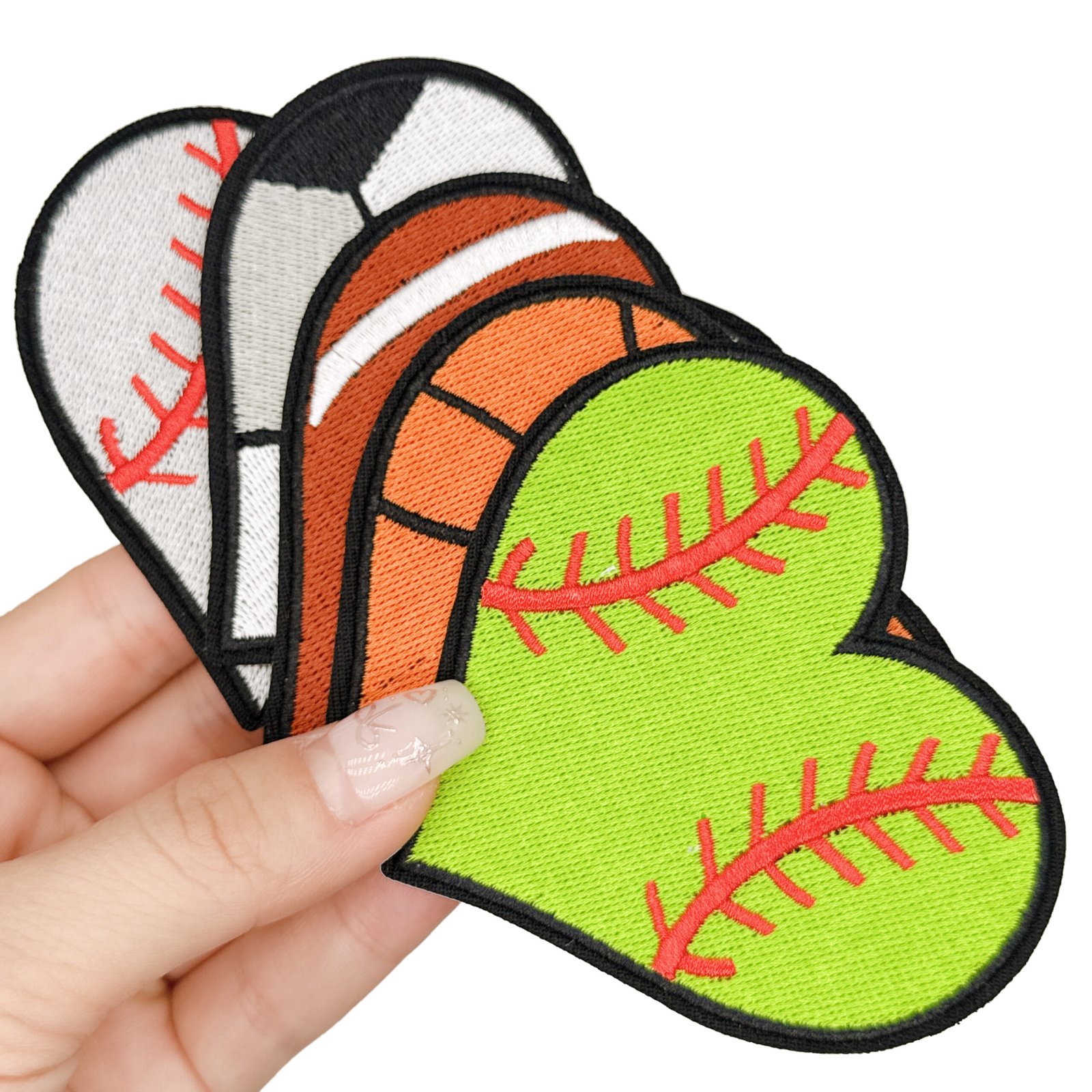
Quick answer: For a towel-effect embroidery patch, approve the texture and the logo together. Show which areas should be raised and which details must remain clearly defined, then review a physical sample at its finished size. Confirm the base fabric, edge, backing and garment placement before approving the bulk order.
Define the texture you mean by towel embroidery
This guide concerns raised, textured embroidery for patches and decorative logos, rather than simply stitching a logo onto a bath towel. Product names alone do not specify the result. Send a close-up texture reference and ask the supplier to confirm the proposed construction, yarn, base and finished appearance.
If your brief uses terms such as towel-effect or chenille, confirm the intended effect with the supplier instead of assuming that every product with those names has the same construction. Identify whether you want a more compact or a more fluffy appearance, and request a representative sample. A digital rendering can show colour placement but cannot demonstrate the feel of the surface.
Keep the main lettering readable through the texture
Mark the most important part of the design: a large initial, short word, mascot outline or another focal element. Review the drawing at the actual patch dimensions. Check the spaces inside letters, gaps between characters and separation between neighbouring colour areas.
Ask the supplier to identify small text and fine details that need adjustment. Options to discuss include simplifying the design, increasing its finished size or using a different stitch treatment for selected details, subject to production review. Do not approve a change to the logo shape without checking the revised artwork.
Specify which areas receive the raised effect and which stay flatter. A labelled drawing is clearer than asking for the entire logo to be “3D”. Use our artwork preparation guide to organise the files and revision notes.
Review yarn colours, base fabric and border as a set
List the yarn colour references separately from the base fabric colour. Show where the base should remain visible and how the border should frame the design. Ask for physical colour references or a sample when matching a brand palette; a screen preview alone is not a reliable approval of the final textile appearance.
Confirm the finished outline and any visible base-fabric margin. For irregular shapes, review narrow corners and the proposed edge treatment. Check the sample from the front and side so you can judge the texture, border and overall thickness together.
Specify the garment position and attachment method
State whether the item is a separate patch or embroidery applied directly to the end product. Provide the intended garment or bag material, placement and available space. Check nearby seams, folds, pockets and other features that might affect installation or the way the patch sits.
For a separate patch, ask which backing and attachment method suit the intended use. If heat application is proposed, confirm the garment’s suitability and obtain the application conditions from the supplier. Discuss cleaning requirements before ordering; the textured face alone does not establish that the whole assembly is washable or suitable for a particular care routine.
Approve a physical sample with agreed checks
Design: correct wording, artwork revision, outline and readable details at the finished size.Texture: agreed raised effect, surface coverage and consistency, viewed from more than one angle.Colour and edge: approved yarn and base colours, border appearance and visible fabric margin.Assembly: agreed dimensions, backing and attachment, checked on a representative end product where possible.Handling and care: agree how to assess loose yarn, snagging, cleaning or other concerns relevant to the intended use.
Keep the approved physical sample and specification together. Request a revised sample when a change materially affects the texture or assembly. Ask how packing will protect the raised surface and confirm the packed presentation if the product will be sold individually.
Prepare a brief for a useful quotation
Send the artwork, finished dimensions, texture reference, colour list, base and border requirements, attachment preference, quantity per design and delivery destination. Include the garment details and required arrival date. Ask the supplier to identify open decisions and separate sampling, production and shipping assumptions.
Explore our custom chenille patch options and quotation checklist , or send your design for a project-specific review .