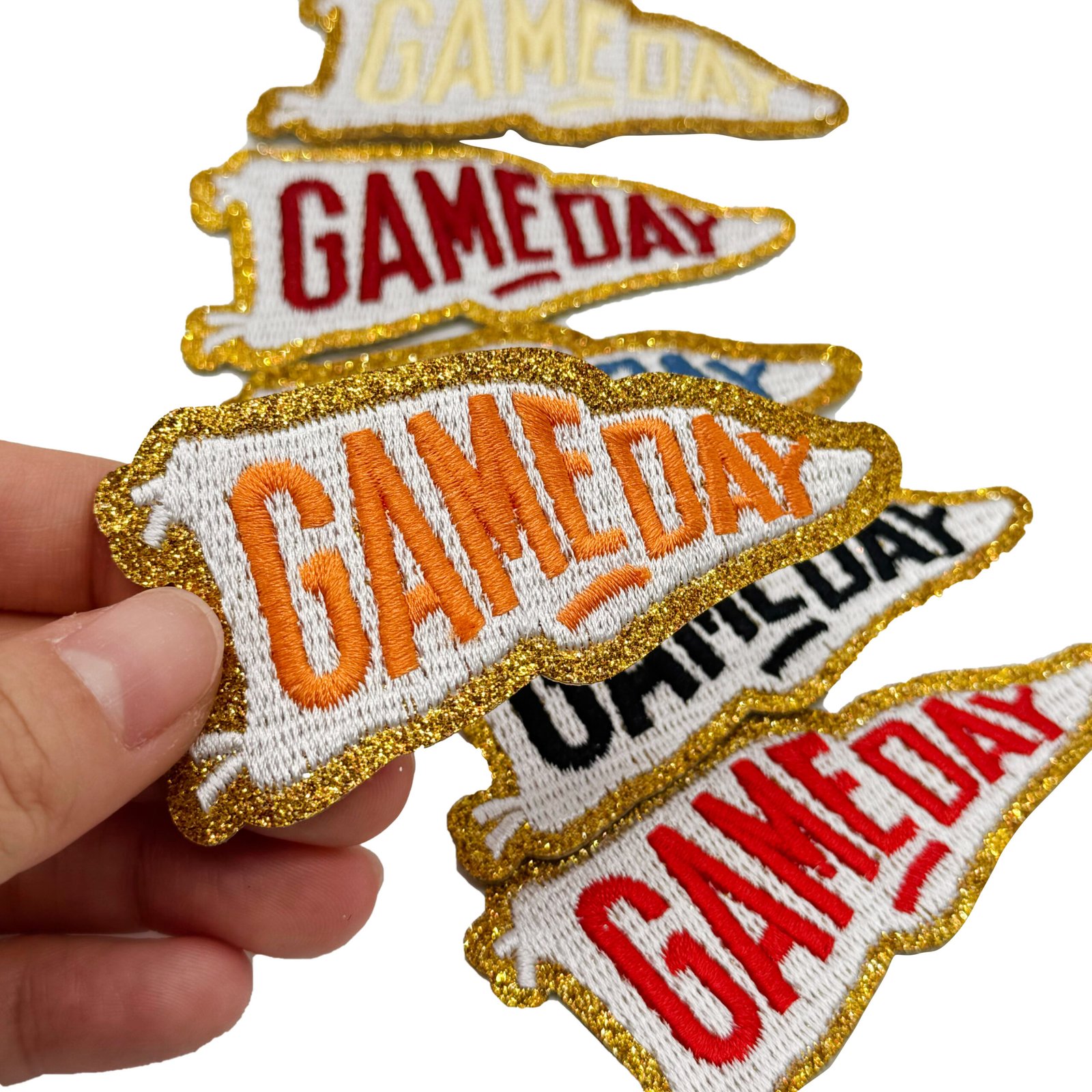
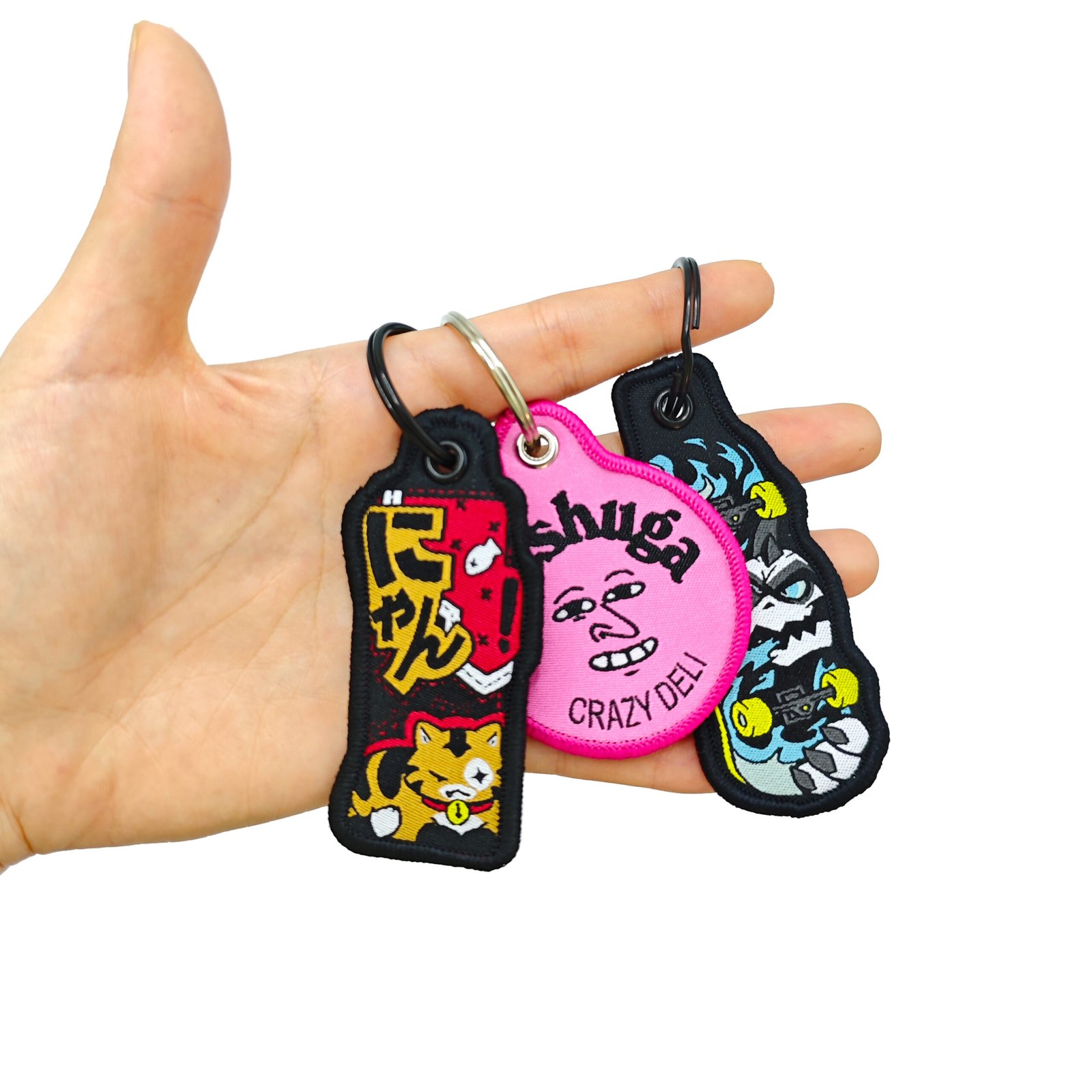
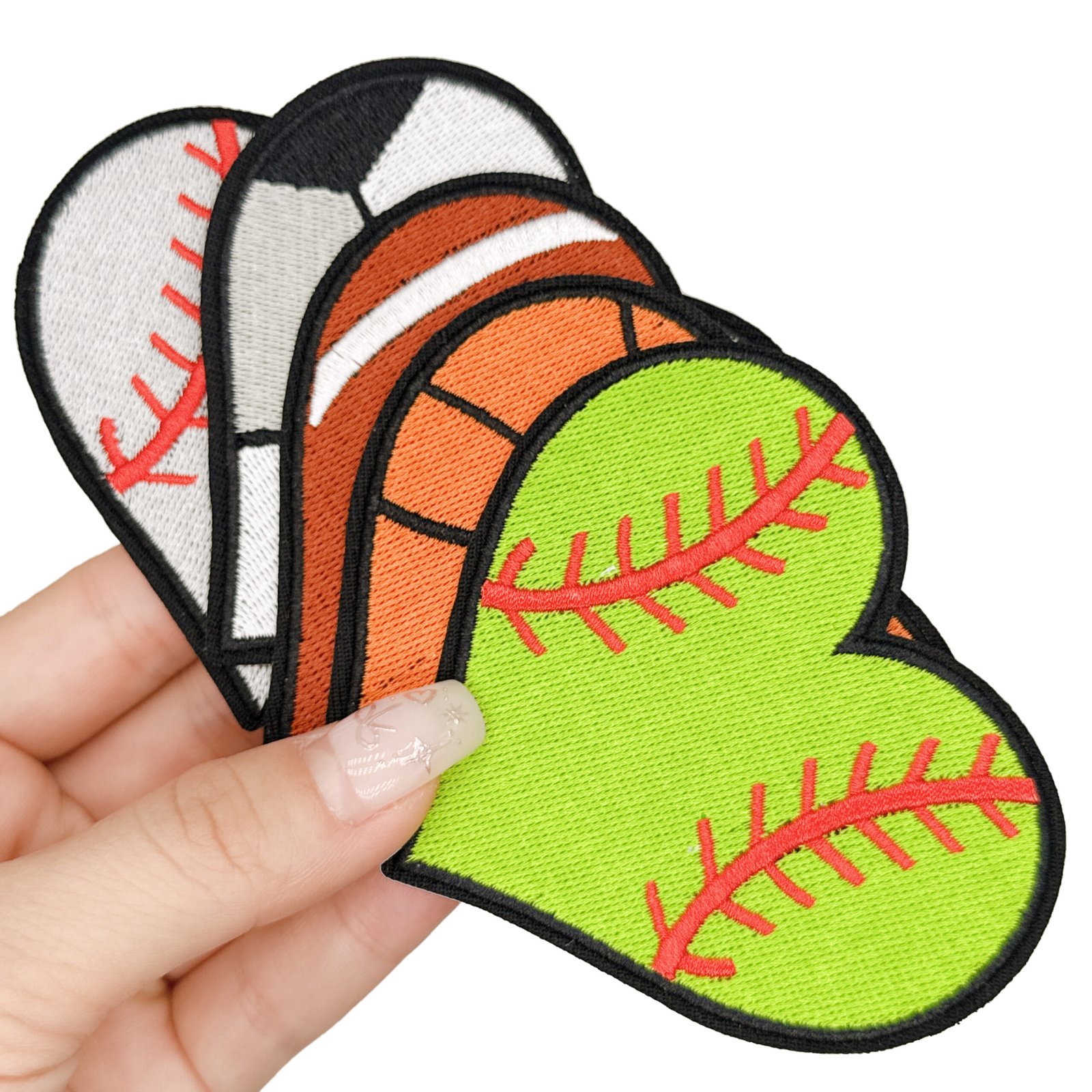
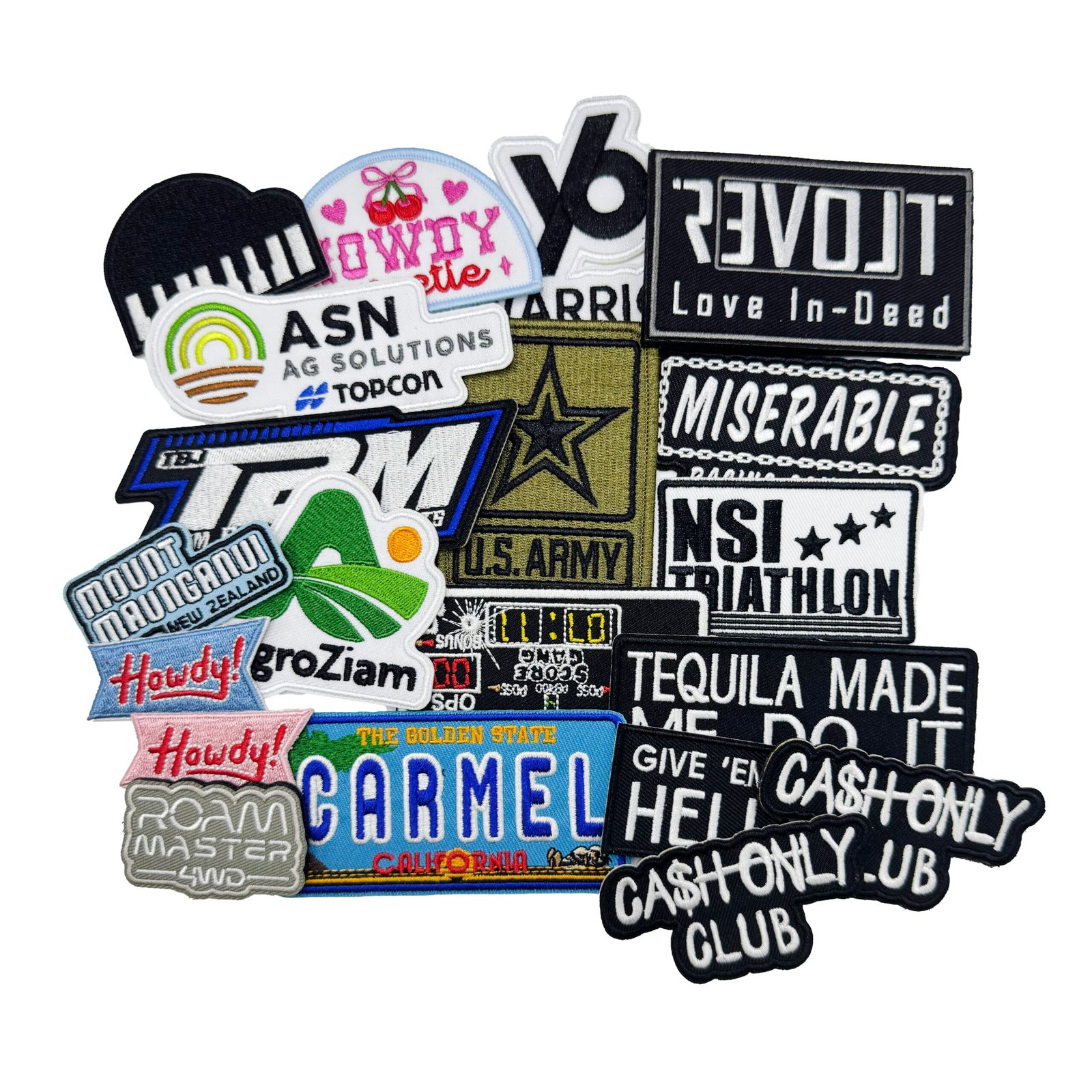
Custom embroidered patch packaging should tell the receiving team what is inside, how many pieces belong together and where each group goes. A patch can match the approved sample perfectly and still create extra work if different sizes, departments or backings arrive in unmarked bags.
Start by separating each patch variant, then choose the pack quantity and label information. Heyang Gift can supply bulk packing, individual bags and backing-card packaging. Custom bags, cards and labels are quoted separately according to the order requirements. Confirm the packaging specification before comparing prices or approving production.
1. Choose packaging around the receiving job
A garment factory, retail shop and uniform distributor handle patches differently. Tell your supplier who will unpack the shipment and what happens next. Will the patches go straight to a sewing line, be sold individually or be issued to different branches?
Embroidered patch packaging choices
| Format |
Useful when |
Confirm before quotation |
| Bulk packing by variant |
A production team needs batches ready for counting and installation. |
Pieces per bag, variant separation and outer identification. |
| Individual bags |
Each patch will be issued, stored or sold separately. |
Bag dimensions, closure, label and whether the bag is plain or custom printed. |
| Backing cards |
The patch needs a branded presentation or product information. |
Card dimensions, artwork revision, fixing method and any outer bag. |
Specify the actual combination. “Card packaging” does not tell the supplier whether you also need an individual bag, a printed label or a particular carton arrangement. Request those components as separate quote items.
2. Give every patch variant its own identity
Use one item code for each combination of design, finished size, colour version and backing. Two patches with the same front can be different items if one is sew-on and the other has heat-applied backing. For hook-and-loop patches, state whether the matching loop piece belongs in each pack; see the hook-and-loop component checklist.
Keep the item code on the approved artwork, packing list and pack label. A simple code such as TEAM-A-70-SO can identify an agreed variant, but attach a written description rather than expecting the factory to interpret the code alone.
For names or department text, provide the exact spelling and quantity for every version. Packaging groups do not change production minimums. Heyang Gift’s confirmed name-patch rule is 50 pieces of the same name; different names cannot be combined to reach 50. Check the name-patch order guide when preparing that list.
3. Write the count per pack and how to handle remainders
“Pack separately” leaves several decisions open. State whether that means by design, size, backing or delivery location, and give the number of pieces in each inner pack.
For illustration, an order could contain 300 pieces of variant A and 200 of variant B, packed 50 pieces per bag. That creates six A bags and four B bags. This is a counting example, not a minimum order quantity or a standard packing promise. If an order quantity does not divide evenly, specify how the remainder bag should be identified.
If patches are being distributed to branches, list the allocation by branch and item code. Ask whether grouping and labelling by destination are included in the quotation. Keep a carton packing list so the receiving team can reconcile totals without treating every bag as an unidentified mixed assortment.
4. Approve the label and card information
A useful inner-pack label can include the purchase order, item code, short description, finished size, backing and quantity. Add branch or department information only when it is part of the agreed distribution plan. Keep the artwork revision identifiable in the order documents.
If you require a barcode, supply the exact data and approved artwork. Agree on a scan check using the intended receiving system. A printed barcode image alone does not establish compatibility with your warehouse or retail process.
For a backing card, check the patch against the actual card size and fixing method. Confirm that the fixing leaves the design visible and does not damage the patch or its backing. Agree on the wording and placement of any application instructions; do not print a generic heat-setting instruction without checking it against the approved backing and garment.
5. Review a complete packed sample
Inspect one complete pack containing the approved patch, bag, card and label, as applicable. Check the patch specification separately using the sample approval checklist, then review the packed result.
- Match the patch to its item code, size, backing and artwork revision.
- Check that the bag or card fits without bending the patch unnecessarily.
- Confirm the design is visible and text is readable at the actual printed size.
- Check the count, pack label and packing list against each other.
- Open the pack as the receiver would and note any handling problem.
Record the approved packing version and reviewer. If card artwork or pack quantities change later, identify which approval needs to be repeated. Do not treat an approved loose patch as approval of an unseen retail pack.
6. Copy this packaging confirmation sheet
Order / purchase order: ______ Packing revision: ______ Reviewer / date: ______
Packaging details to confirm before production
| Item |
Buyer’s instruction |
Supplier confirmation |
| Patch variant |
Item code, artwork revision, size, colour and backing: ______ |
______ |
| Packing format |
Bulk / individual bag / card; required combination: ______ |
______ |
| Counts |
Total per variant, pieces per pack, remainder rule: ______ |
______ |
| Identification |
Label text, branch allocation, barcode data if needed: ______ |
______ |
| Card and bag |
Dimensions, artwork version, closure and fixing method: ______ |
______ |
| Carton plan |
Grouping, carton marks and packing list: ______ |
______ |
| Commercial approval |
Packaging price, minimums and timing agreed: ______ |
______ |
| Packed sample |
Reference and decision: Approved / Revise / Pending |
______ |
Frequently asked questions
Can Heyang Gift provide individual bags and backing cards?
Yes. Bulk packing, individual bags and backing-card packaging are available. Custom bags, cards and labels need a separate quotation based on the order specification.
Does the patch minimum order quantity also apply to printed packaging?
Do not assume that it does. Confirm packaging quantities, printing requirements and charges separately. A patch production minimum does not establish the minimum for a custom card, bag or label.
Can different names be mixed to meet the name-patch minimum?
No. The confirmed requirement is 50 pieces of the same name. Different names cannot be combined to reach 50; the packing arrangement is a separate decision.
What should I send for a packaging quote?
Send the patch specifications, quantities per variant, packing format, pieces per pack, label or card artwork, destination postal code and required arrival date. Identify any unresolved details before approving the quote.
Request an embroidered patch and packaging quote
Send Heyang Gift your design, finished patch dimensions, quantities and backing requirements, together with the completed packing brief. For garment projects, include fabric composition, stretch, placement and whether installation takes place before garment assembly or on finished clothing. Ask for patch production and custom packaging costs to be identified separately.
Send your patch and packaging brief for a quote, or review our custom embroidered patches before preparing your specification.