Custom Patches for Outdoor Gear and Uniforms: PVC vs Embroidered vs Woven
Custom Patches for Outdoor Gear and Uniforms: PVC vs Embroidered vs Woven
Introduction
A patch is often treated as a simple logo item, yet its material and backing determine whether it will work on a uniform sleeve, a tactical-style bag, a work jacket, a cap or a removable equipment panel. Buyers usually ask which patch is “best.” The more useful answer is that PVC, embroidered and woven patches solve different combinations of detail, texture, exposure and installation.
This guide helps procurement teams choose a patch construction before sampling. It is based on the decisions normally reviewed in factory production: artwork scale, edge shape, backing, attachment position, intended surface and packing. It avoids blanket claims about waterproofing, wash resistance or adhesion because performance depends on the complete construction and application.
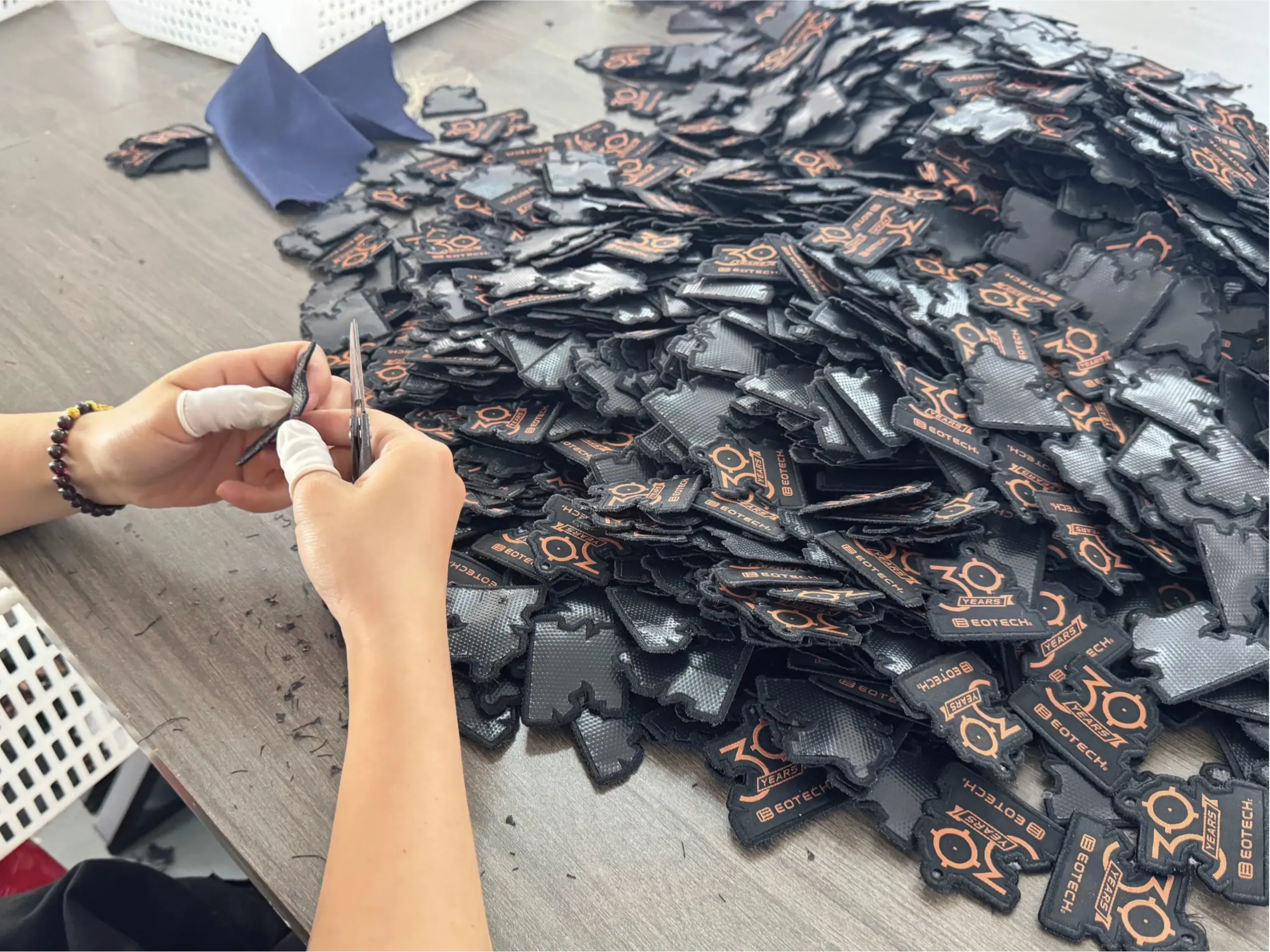
Factory quality control in progress Quick answer: which patch material should you choose?
Choose PVC when you need a moulded, wipe-clean surface with defined colour blocks and a raised feel. Choose embroidery when thread texture and a traditional badge appearance are part of the brand expression. Choose woven when the priority is finer linework or smaller lettering in a flatter textile construction. The backing must be selected separately: sew-on, heat-applied, hook-and-loop, adhesive or another option each creates a different installation and use condition.
1. Begin with the application, not the material name
Ask five questions before selecting a construction:
Where will the patch be used: garment, cap, backpack, display item or compatible loop panel?
Does it need to be permanently attached, removed repeatedly or replaced by season?
Is the logo mainly colour blocks, textured stitching, fine lettering or a combination?
What is the smallest finished dimension at which the mark must remain recognisable?
Will the end user wash, flex, rub or expose the item to moisture and dirt?
The answers shape the production brief. A removable team identifier on a loop panel has different priorities from a retail embroidered badge intended for a denim jacket. A supplier cannot determine the correct backing from artwork alone.
2. PVC patches: moulded detail and a practical surface
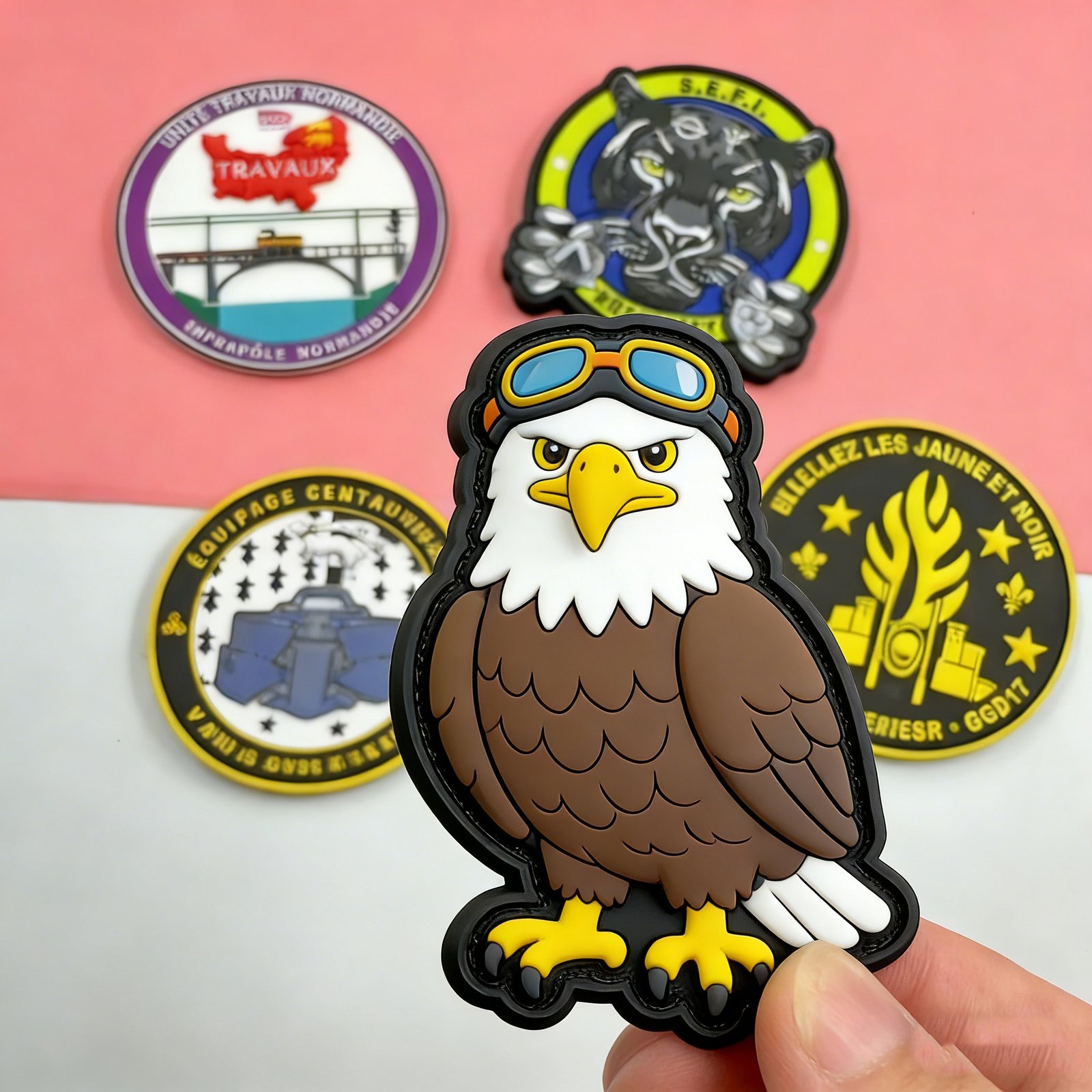
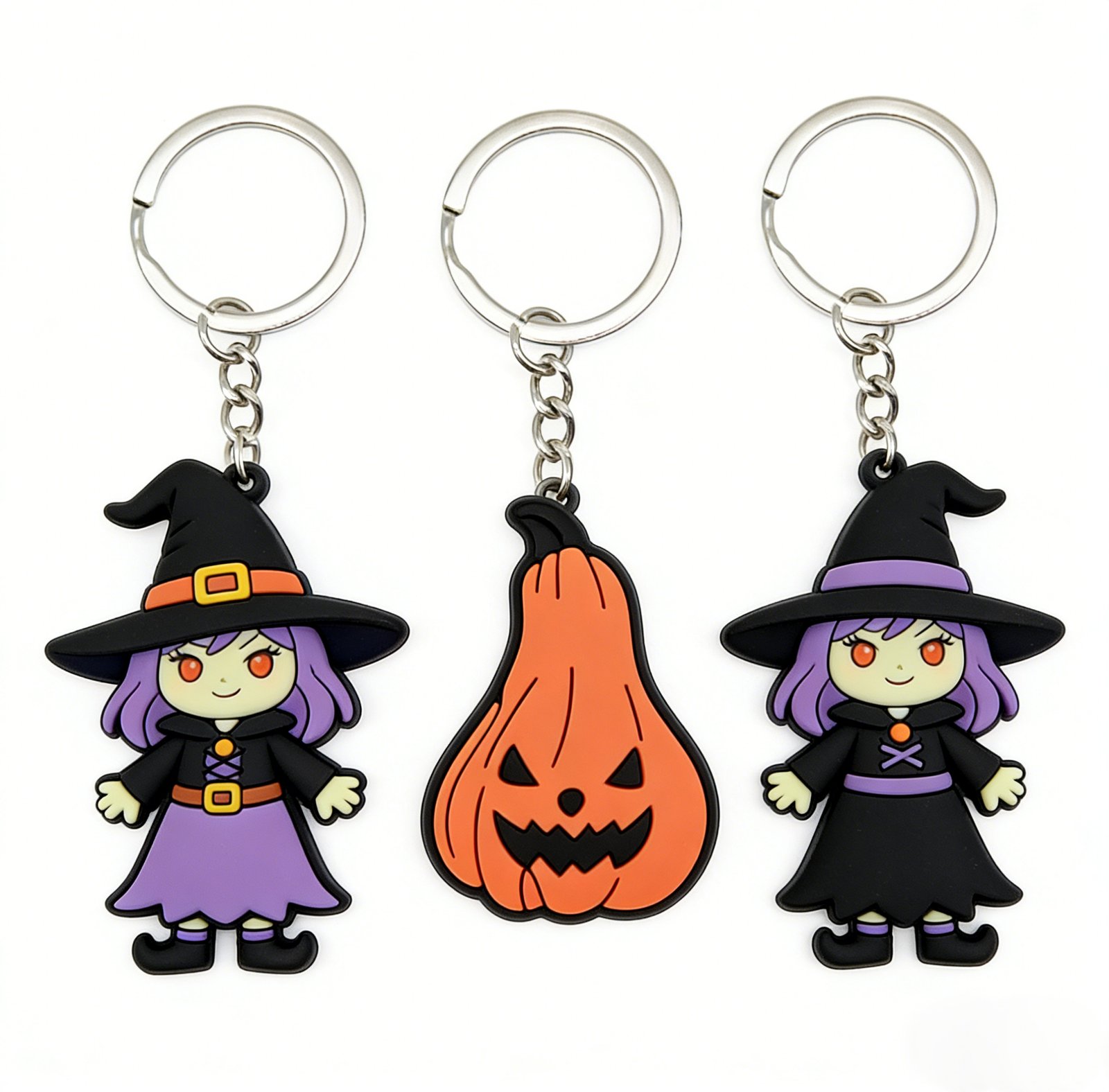
PVC patches are made from soft PVC material formed in a mould, typically with separate colour areas and raised/recessed levels. They are useful where a buyer wants a bold silhouette, a tactile surface and a construction that can be wiped clean. Outdoor-inspired brands often consider them for bags, equipment panels and uniforms because the surface is not made from exposed thread.
The important design checks are line width, spacing, colour boundaries, overall thickness, edge profile and backing location. Small type or narrow gaps should be reviewed at the actual finished size. If the patch will use hook-and-loop, confirm which side is attached to the patch and which compatible loop surface will receive it. If it will be sewn, make sure the edge and sewing margin suit the garment or bag material.
Custom soft PVC hook-and-loop patches for gear and uniforms 3. Embroidered patches: texture, depth and visible craft
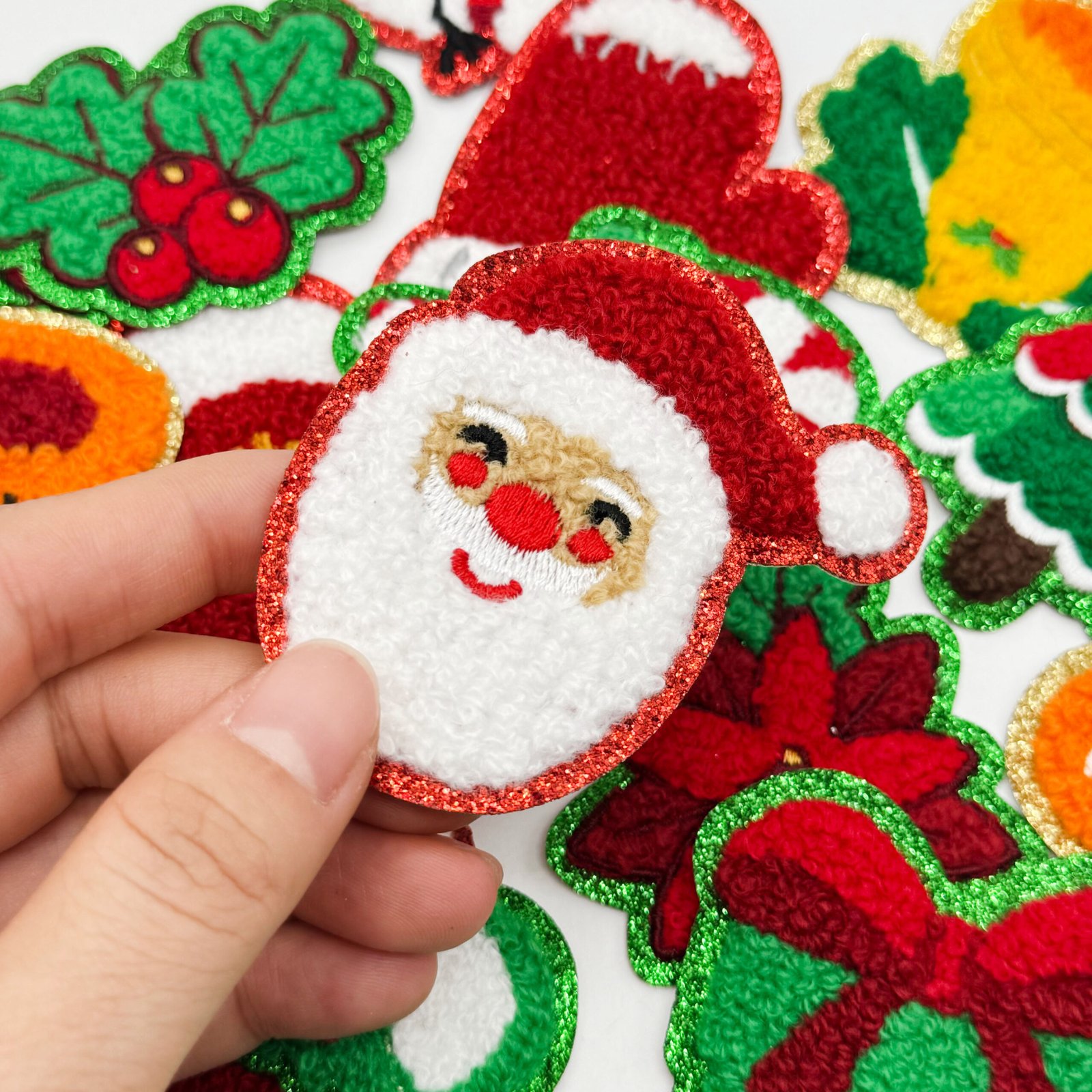
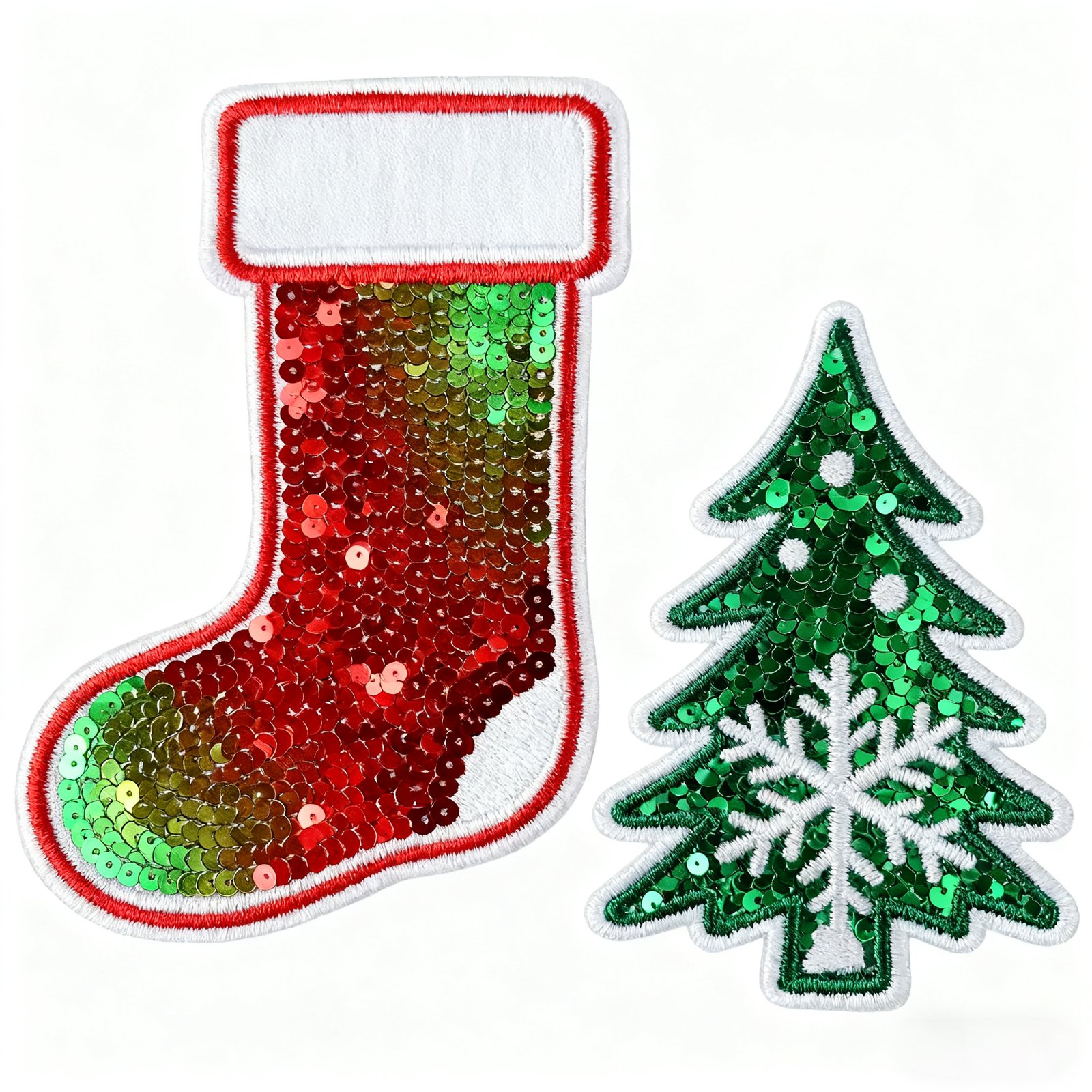
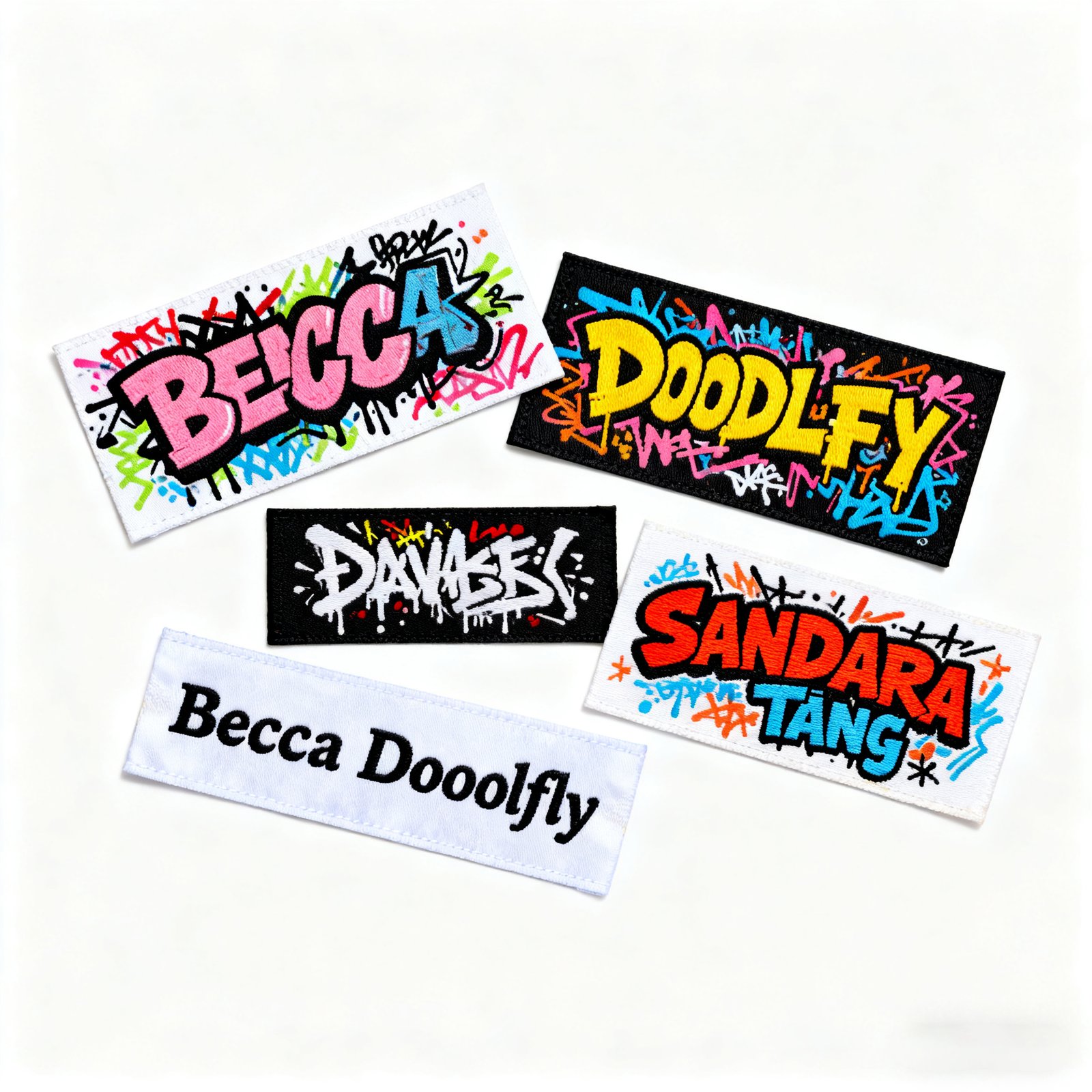
Embroidery uses thread stitched into a base material. It suits designs that benefit from a textile character: varsity-style graphics, service badges, heritage branding and merchandise where the patch itself is part of the visual experience. The quality conversation is about stitch density, thread coverage, border type, backing stiffness and how small lettering will render.
Embroidery is not automatically the right option for every detailed logo. Very small characters, narrow internal gaps and gradients may need simplification. During artwork review, ask for a stitch-ready interpretation rather than assuming a screen graphic will reproduce exactly. A factory first-piece review is particularly helpful when several thread colours, a shaped border or a delicate font are involved.
4. Woven patches: a flatter option for fine detail
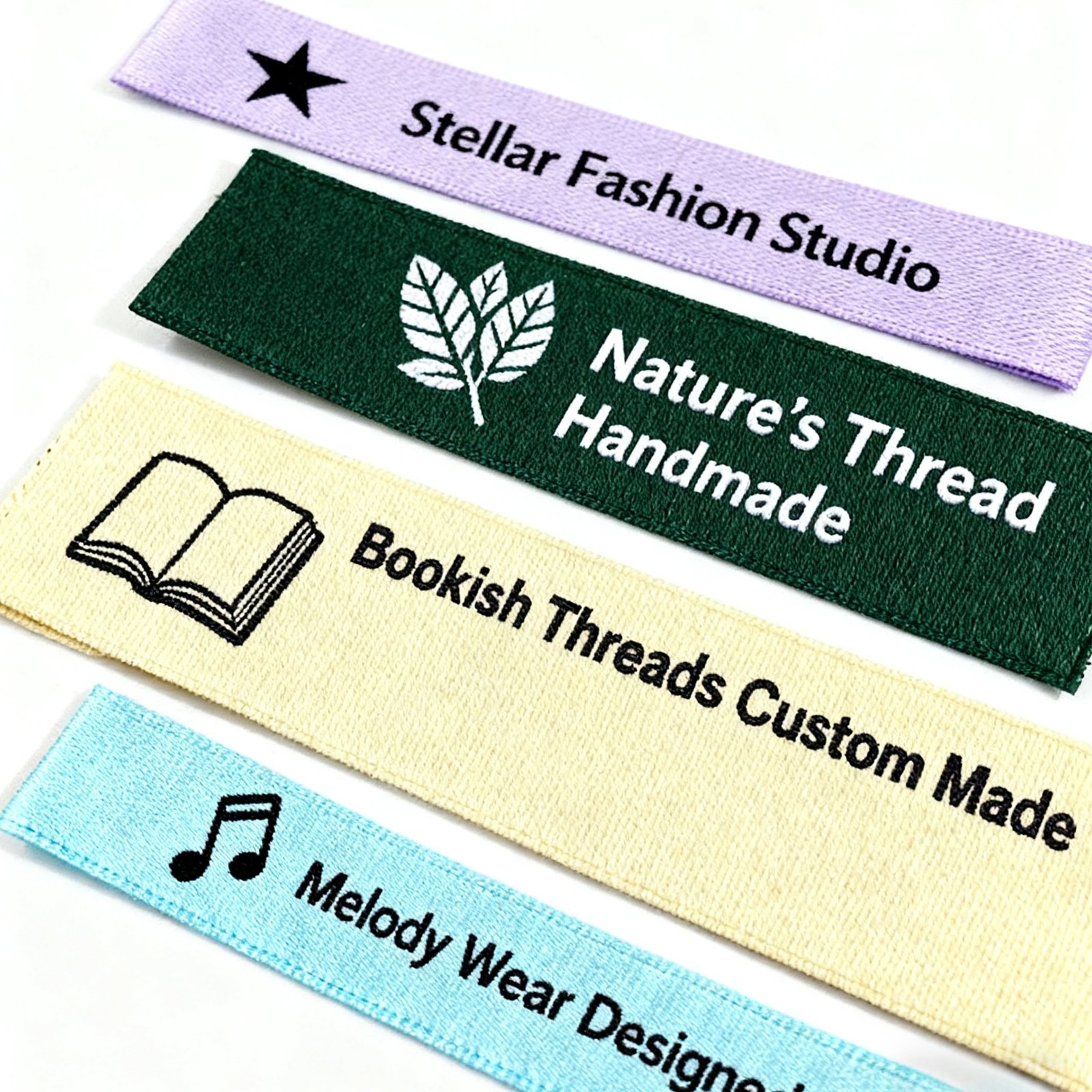
Woven patches use a different textile construction and can support finer detail than traditional embroidery in a thinner, flatter format. They are frequently considered for garment labels, detailed logos and compact designs where thread texture is less important than line clarity. Buyers should still confirm whether the edge will be heat-cut, merrowed or otherwise finished, and whether the selected backing suits the end use.
The key comparison is visual, not just technical: a woven patch may carry tiny type more clearly, while embroidery may better express a bold emblem. Request a digital proof and, when the result is brand-critical, a physical reference before bulk approval.
Mid-article CTA — Compare Patch Constructions
Send your logo, finished size, application surface and quantity. Get a quote for a recommendation on PVC, embroidered or woven construction before ordering samples.
Organized factory warehouse and export packing area 5. Backing and installation: the decision buyers often leave too late
The same patch face can perform very differently with different backings. Treat the backing as a separate line item in the specification.
Sew-on
Sew-on is appropriate when the patch will be stitched into a garment, bag or cap by a production team or end user. Confirm the patch edge, sewing margin and installation location. A supplier can provide the patch; the buyer should also ensure the final product maker can sew the selected construction cleanly.
Heat-applied backing
Heat-applied options need the correct garment fabric, adhesive system, temperature, pressure and dwell time. Do not assume a backing intended for one fabric will behave identically on every textile. Installation preparation should include a trial on the actual production fabric where possible.
Hook-and-loop
Hook-and-loop allows removal and replacement. It is practical for compatible loop panels, but the buyer should state the patch dimensions, hook or loop side, the mating material and expected use cycle. Check the cut edge, corner lift and alignment in the first-piece sample.
Adhesive
Adhesive can be useful for temporary display or packaging applications, but should not be described as a permanent mounting solution unless the adhesive, surface and use environment have been validated for that purpose.
6. A specification checklist for uniform and outdoor patch orders
Final artwork, colour references and design revision
Finished dimensions and shape, including whether the edge must follow the logo outline
Chosen construction: PVC, embroidery or woven
Backing type and the material it will attach to
Border/edge style and orientation
Quantity by design, individual packing and labelling needs
Any required sample, installation trial or shipment inspection point
When patch programmes include several departments, locations or size variants, assign a clear SKU to each design. This reduces packing errors and lets the buyer inspect an assortment systematically.
6A. Practical application examples
Application examples help turn a material debate into a sourcing decision. A security or event team using compatible loop panels may prefer a PVC or embroidered hook-and-loop patch because assignments can be changed without replacing the garment. The buyer should provide a representative loop panel during installation preparation; not every loop material has the same surface or holding behaviour.
An apparel brand creating a heritage-style collection may choose embroidery for the visible thread texture, then test the approved patch on the actual jacket, cap or bag fabric. The important question is not merely whether the patch can be sewn, but whether its border, stiffness and placement look intentional after installation. For a compact clothing label with fine lettering, a woven construction can be worth comparing because a flatter weave may preserve the small graphic more clearly.
For outdoor retail or travel merchandise, the patch might be attached to a bag, pouch or display card rather than a garment. In that case, abrasion, surface contamination, display orientation and packing can matter more than laundering. Ask the supplier to photograph the first completed pieces beside the approved artwork and, where relevant, on the intended receiving surface. Those practical images are more useful than a generic material promise.
6B. A decision matrix for buyers
Use the following questions in an internal buying meeting. They are intentionally framed as trade-offs rather than absolute rules:
| Requirement | Construction worth reviewing | Question to resolve before approval |
|—|—|—|
| Bold mascot, colour blocks, raised feel | PVC | Are small gaps and lines large enough for the moulded design? |
| Textile character, traditional badge presence | Embroidery | Will thread coverage and lettering remain clear at the selected size? |
| Fine logo detail or compact flat label | Woven | Does the proposed edge finish and backing suit the final item? |
| Removable identification | PVC or embroidery with hook-and-loop | Which compatible loop panel will receive the patch? |
| Permanent garment application | Embroidery or woven, with selected backing | Has the patch been tested on the actual garment fabric and placement? |
This matrix should guide the quotation request, not replace a sample. A material that appears right in a catalogue can still need an adjustment to edge shape, backing or lettering after a real first-piece review.
Embroidered hook-and-loop patch showing stitched border and detail 7. What to inspect before shipment
Compare a random selection with the approved proof or sample. Review logo readability, colour placement, edge quality, patch shape, backing application, attachment alignment and packing count. For hook-and-loop patches, test the patch against a representative compatible surface. For heat-applied programmes, retain the approved installation instructions with the production file.
Shipment inspection is not a substitute for verifying the end garment or equipment. If the patch is to be installed by another factory, send that factory the approved patch specification and installation guidance early enough for a trial.
FAQ
Are PVC patches better for outdoor use than embroidered patches?
PVC is often considered when a wipe-clean moulded surface and defined colour areas are desired. The best choice still depends on the attachment, intended surface and use conditions. Specify the whole construction rather than relying on the material name alone.
Can a patch have hook-and-loop backing and still be sewn on?
It can be possible to specify different installation approaches, but each should be engineered and sampled for its intended use. Explain where and how the patch will be installed so the edge and backing can be reviewed.
Which patch is best for small lettering?
Woven construction can be useful for fine, flat detail, while PVC and embroidery may require larger text or simplified shapes. Submit artwork at the intended finished size for a production review.
Follow our product and factory updates
See recent product ideas and workshop updates on Facebook , YouTube , Instagram and TikTok .
Conclusion and CTA
The right patch is the one that matches the logo, surface and installation method. Start with its real application, choose the face material that supports the artwork, and specify the backing before you sample. For a tailored recommendation, send your logo, required finished size, use surface, quantity and installation method through the existing inquiry form .